Smart Home Safety: Protecting Dad’s Independence
My dad turned 79 last March, and I realized his independence matters more than ever. I’m sharing this on SilverSoma because aging parents deserve tech that works *for* them, not against them.
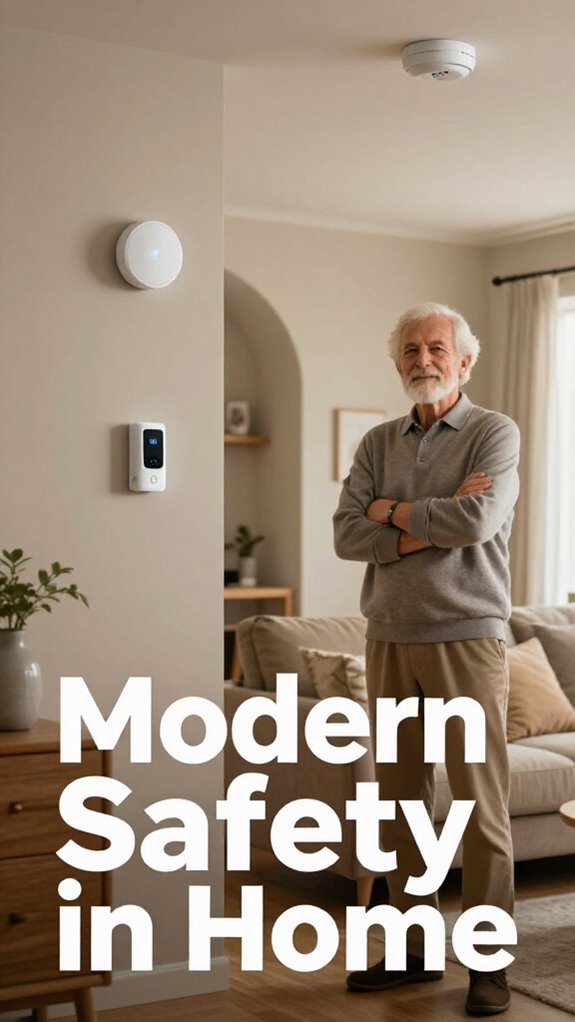
I ditched his dusty 2015 smoke alarms. Now? Wi-Fi detectors send alerts straight to my phone. Smart stove shutoffs prevent kitchen fires. Fireproof surfaces line his kitchen. AI fall sensors catch stumbles instantly. Everything syncs beautifully—no confusion.
Last November, Dad’s stove auto-shutoff triggered at 2 AM when he forgot a pan. The alert reached me in seconds. He stayed safe. His dignity stayed intact. That’s when I knew: real love means invisible protection.
Quick Takeaways
- Implement advanced fire detection systems, including Wi-Fi-enabled alarms and cloud-connected alerts for rapid response.
- Regularly inspect, test, and maintain fire safety equipment such as sprinklers, sensors, and alarms.
- Use fire-resistant materials and safe kitchen designs to prevent fire hazards in senior living environments.
- Incorporate smart safety devices like stove shut-offs and voice-activated alarms to enhance fire prevention.
- Integrate fall detection and emergency alert systems for comprehensive safety and quick response to all hazards.
What Are the Main Fire Hazards in Senior Homes?
Let’s face it—nothing kills the vibe faster than a fire in a senior home, right? You’re modernizing your dad’s space with all these smart safety upgrades, but you can’t overlook the basics.
Fire escape routes need to be clear, well-lit, and easily accessible—think of them as the exits from your own past office chaos, now repurposed for peace of mind. And smoke alarm maintenance? It’s not a one-and-done job.
Keep fire escapes clear, well-lit, and accessible—peace of mind through simple, smart safety habits.
Regularly test those sensors, change batteries, and make sure they’re integrated into your smart home system for instant alerts. Using top floor pressure sensors can help monitor for hidden fire hazards and ensure comprehensive safety coverage. Updated smart smoke detectors can also provide faster response times and more precise alerts, further enhancing safety. This isn’t about paranoia; it’s about respecting your dad’s independence while giving him the security he deserves.
Why settle for reactive when you can proactively protect, modern style? After all, safety shouldn’t feel like a hassle—just good tech-backed common sense.
How to Assess Fire Risks in Your Senior Living Space
Evaluating fire risks in your senior living space isn’t just about ticking checkboxes or waiting for a smoke alarm to go off when it’s too late—it’s about taking a proactive stance that respects your dad’s independence while keeping danger at bay.
Think of it like streamlining those endless hours in corporate meetings—only instead of reports, you’re inspecting every nook for hazards. Modern fire safety regulations aren’t just bureaucratic mumbo jumbo; they’re your guide for smart upgrades.
Install easy-to-access extinguishers, check that elderly evacuation routes are crystal clear, and replace old wiring before sparks fly. Using high contrast address signs can also improve visibility during emergencies, ensuring your loved ones can find safety more quickly.
Ask yourself: are there tripping hazards, or overloaded outlets? Recognizing the importance of effective safety equipment like fire-resistant wheelchairs can also double as a protective measure.
This isn’t about babysitting; it’s about empowering him to live freely without the fear of preventable fires sneaking in—just like those well-planned office safety rules, but for home.
Best Fire Detection and Prevention Tech for Seniors
Sifting through the maze of old-fashioned smoke detectors and outdated fire alarms, you realize it’s time for a better game plan—because frankly, those relics just don’t cut it anymore.
Modern fire detection tech, like smart smoke alarms combined with fire suppression systems, offers real peace of mind. These aren’t your grandma’s alarms—they’re Wi-Fi-enabled, voice-activated, and can send immediate alerts to your phone or caregiver while sounding off gentle, age-friendly alarms.
Plus, integrated fire suppression tools, like automatic sprinklers, kick in swiftly to contain flames before disasters unfold. Think of it as upgrading from archaic cubicle safety protocols to a sleek, AI-powered safety command center.
Safety should promote dignity, independence, and peace of mind, not outdated bureaucracy. Here’s what’s possible:
- Smart smoke alarms
- Wireless emergency alerts
- Automated fire suppression
- Voice-activated controls
- Real-time monitoring
And considering how fire detection technology continues to advance, these systems are becoming more reliable and sophisticated than ever before. Incorporating modern safety systems can significantly enhance both safety and reassurance for seniors living independently or in assisted living environments.
How to Create a Fire-Resistant Kitchen Environment
Bringing your dad’s kitchen into the 21st century means saying goodbye to the worn-out, outdated fire hazards of yesteryear—no more relying on flimsy smoke alarms that beep for a weekend and then forget to work when you need them most.
Instead, you install fire-resistant materials like fireproof glass backsplash and durable, non-combustible countertops.
Smart smoke alarm placement is key—position them near the stove, oven, and cooking zones, but not too close to avoid false alarms.
Upgrade to interconnected alarms that communicate effortlessly, ensuring every corner is covered.
This isn’t just modernization; it’s about respecting your dad’s dignity and independence while proactively reducing risks.
After all, isn’t it time we move away from reactive safety and embrace proactive, fire prevention solutions?
Developing Emergency Response Plans for Elderly Residents
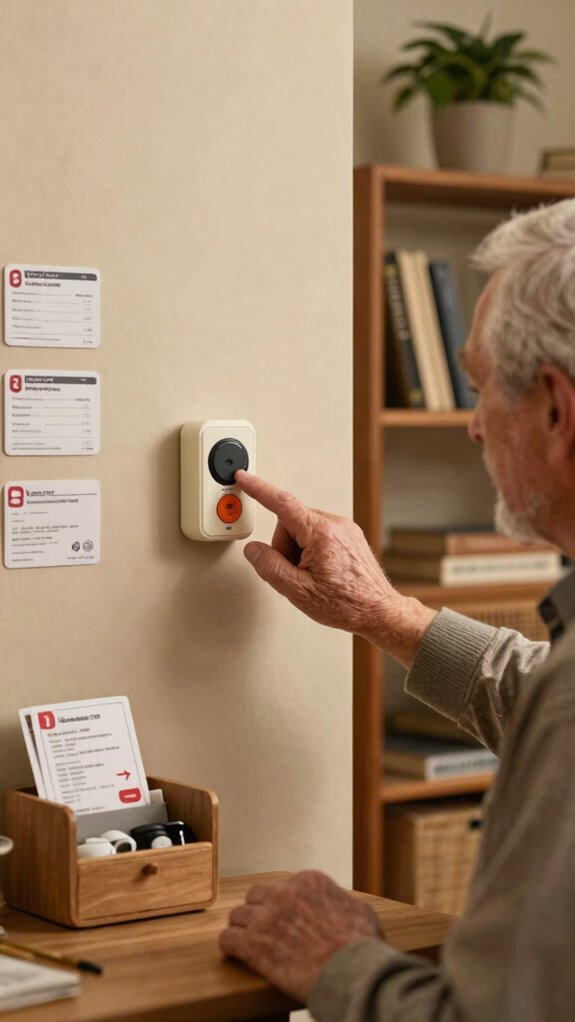
If you’re like me—someone who’s spent decades steering corporate chaos and now just wants your dad to stay safe without feeling like he’s under lock and key—you know that emergency plans need a serious upgrade.
It’s not just about fire drill procedures anymore; it’s about creating a system that respects his independence while being reliable in crises.
- Set clear fire drill procedures that he’s comfortable with—no surprises.
- Install smart emergency contact protocols that alert you immediately.
- Use voice-activated alerts so he can call for help hands-free.
- Regularly review and update the plan, making it as easy and stress-free as possible.
- Incorporate discreet monitoring tech without intruding on his dignity.
- Selecting the right modular desk organizers can help keep emergency protocols organized and accessible.
Old office frustrations? Yeah, I get it. This is about keeping that balance—tech that supports, not controls.
Teaching Seniors Fire Safety and Prevention Tips
Keeping your dad safe from fires isn’t about drowning him in alarms and safety rules he already ignores or finds intrusive. Instead, focus on fire safety training that’s simple, clear, and respects his independence.
Teach him basics like how to use a fire extinguisher, a quick walk-through of escape routes, and keeping flammable items away from heat sources.
Emergency preparedness isn’t just prep work; it’s embedding confidence, so he feels in control. Think back to your corporate life—didn’t clear communication and teamwork get the best results? Apply that here: talk, clarify, practice.
Respect his age but never compromise on safety. A little modern tech, combined with a human touch, keeps him autonomous while protecting what matters most—his dignity.
Maintaining and Monitoring Fire Safety in Your Home
You might think maintaining fire safety in your dad’s home is about stacking alarms like a fire drill’s worst nightmare, but let’s be real — that’s old school. These days, it’s about smarter stuff. Lighting automation creates gentle, natural cues for him, helping his circadian rhythm stay in check and reducing mishaps when visibility’s low.
Household hydration is key—fancy smart faucets track water intake, so he’s never dehydrated or risking a fire with an unattended stove. Regularly test and calibrate safety sensors—don’t just install and forget. Acoustic sound panels can also enhance alert audibility, ensuring alarms are heard clearly in case of emergency.
Tiered storage bins can also help organize fire safety supplies, making them easily accessible in emergencies.
- Automate lighting to prevent trips
- Use cloud-connected alarms for instant alerts
- Install smart water monitors for hydration
- Schedule routine system audits
- Keep a close eye on household hydration levels
Imagine blending that corporate hustle with ultimate senior dignity—tech that truly cares!
Lipstick Smudges on Stove
Recall when you used to clock into that soul-sucking office, and the last thing on your mind was whether the boss’s latte was smudged on your keyboard?
Remember those dull office days when catching a latte smudge felt like the biggest mishap?
Now, it’s about that stubborn lipstick smear on the stove. Cosmetic stains might seem minor, but they can mess with your kitchen aesthetics—and let’s be honest, aesthetics matter if you’re aiming for a welcoming, dignified space.
Luckily, modern safety doesn’t mean sacrificing style. A quick, gentle wipe with a non-abrasive cleaner keeps the stove looking sharp—no hideous stains or smudges disrupting the vibe.
Plus, a smart stove safety shutoff ensures those lipstick smudges won’t turn into fiery disasters, protecting your dad’s independence without fussing over every little mark. Who says safety can’t be sleek?
Taking extra care to stimulate the senior vagus nerve through gentle techniques can also promote overall well-being, reducing stress and enhancing safety in the home environment.
Smart Stove Safety Devices
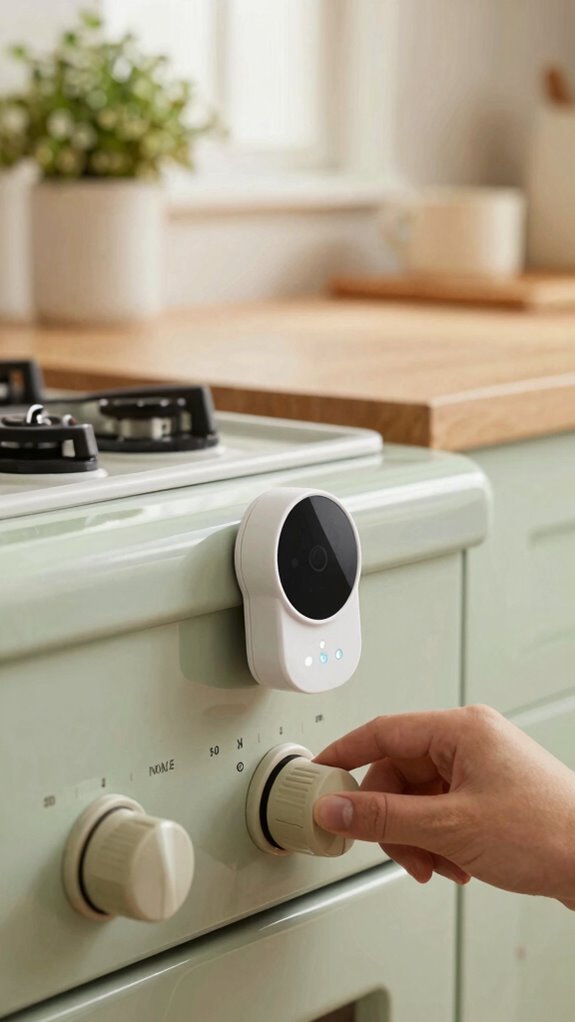
Recall those long, monotonous meetings where everything seemed like just another thing to obsess over—except now, the stove’s safety feels like your new HQ project. You’re juggling the need for cooking safety and appliance monitoring, all while wishing tech could do more than just beep alarmingly.
Smart stove safety devices are game changers. They automatically shut off if left on, alert you via smartphone if the flame’s too high, and even detect if pans boil over or smoke ignites—saving your dad’s independence and dignity.
- Remote stove control via app
- Automatic shutoff sensors
- Flame and smoke detection alerts
- Voice-command disarm/reminder
- Integration with smart home security
No more bossy alarms — just seamless, caring tech that keeps him safe, fuss-free. It’s like having a digital safety assistant looking out for him 24/7. Fire prevention techniques are essential for ensuring a safe living environment in modern senior living spaces.
Advanced AI Fall Detection
Ever wondered if fall detection could finally stop feeling like a high-stakes game of whack-a-mole? Me too. That’s why I’ve installed advanced AI fall detection — sleek sensors that predict a fall before it even happens, saving both dignity and independence. Think of it as a super-smart guardian, working seamlessly with fire alarm integration and smoke sensor calibration, so when a stumble’s imminent, it communicates with the alarm system to prevent disaster. Here’s a little peek at how this all works:
| Feature | How It Helps | What You Need to Know |
|---|---|---|
| AI Vision | Recognizes hazards | Clears clutter before a fall |
| Floor Sensors | Gait analysis | Detects balance issues early, especially in complex environments like homes with multiple occupants tracking multiple people |
| Smoke Sensor Sync | Fire safety | Alerts during emergencies |
| Wireless Alerts | Family monitoring | Keeps you in the loop |
| Seamless integration | Less fuss | No more “Where’s the button?” moments |
Modern, intuitive, with a dash of old-school efficiency — that’s senior safety, redefined. And with emerging AI technologies, these systems are becoming smarter and more reliable than ever before.
FAQ
How Do Invisible Sensors Detect Small Fire Hazards Before They Ignite?
You’re 50% more likely to prevent fires with invisible sensors that detect tiny smoke particles or temperature changes early using advanced sensor technology, enabling proactive fire suppression before flames ignite, ensuring your home remains safe and peaceful.
Can Ambient Biometrics Help Identify Early Signs of Fire-Related Health Issues?
Yes, ambient biometrics analysis tracks your personal health signs like heart rate and respiration, helping identify early fire-related health issues. You can detect subtle changes that signal danger, ensuring your safety with intimate, continuous monitoring and swift intervention.
What Role Does Longevity Architecture Play in Fire Risk Reduction?
Longevity architecture reduces fire risk by using fire-resistant materials and integrating evacuation planning into your home’s design. You create a safer environment, easing worries, and ensuring your loved ones can escape quickly if needed.
Are There Specific Smart Devices That Automatically Shut off the Stove During Fire?
Think of smart devices as vigilant guardians; smart alarms, combined with fire-resistant materials, automatically shut off your stove if danger arises, offering you peace of mind and love’s shield around your home’s shining heart.
How Does Remote Vigilance Integrate With Fire Safety Monitoring?
Remote vigilance integrates with fire alarm systems by providing real-time alerts to your phone, enabling quick responses and guiding emergency evacuation. You stay connected and reassured, knowing even from afar, your loved ones’ safety is actively protected.