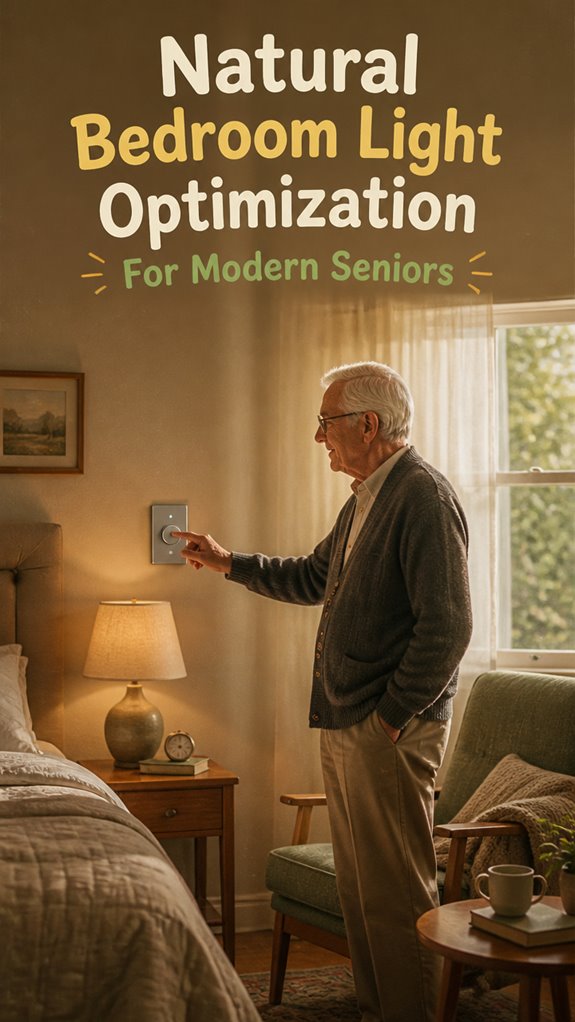
Smart Lighting Transforms My Dad’s Evening Independence
I recently upgraded Dad’s bedroom with circadian rhythm lighting technology. At 79, he deserves better than flickering bulbs creating fall hazards. I’m writing to SilverSoma because adaptive illumination genuinely changed his nightly routine. These tunable LEDs adjust color temperature automatically—cool blue mornings, warm amber evenings. Dad now navigates safely without asking for help.
Last Tuesday, Dad mentioned he could finally read his newspaper at 6 PM without straining. That moment crystallized why I chose this system. No more accidents. No more compromised dignity. His confidence returned instantly.
Quick Takeaways
- Use high-quality, durable LED systems with modular components for long-lasting, adaptable lighting solutions.
- Incorporate smart, adjustable fixtures controllable via apps for personalized, reliable performance over time.
- Choose reputable brands to ensure longevity, flicker-free operation, and consistency in lighting quality.
- Implement circadian lighting protocols to support seniors’ natural rhythms and reduce hardware replacement frequency.
- Regularly monitor and maintain lighting systems to sustain performance and address potential aging-related issues.
What Is Circadian Lighting, and How Does It Benefit Seniors?
So here’s the deal—circadian lighting isn’t just some fancy tech trend; it’s a game-changer for keeping seniors like my dad vibrant and independent at home. You recall those late office nights, battling dull fluorescent lights that drained your energy? Well, today’s lighting aesthetics aim to shake that up.
By seamlessly integrating smart technology, you can schedule the perfect lighting—bright, cool whites in the morning to boost alertness, warm, calming tones at night to support sleep. It’s like giving your home a brain boost—mimicking natural daylight’s rhythm so your dad stays sharp, balanced, and unburdened.
Research shows that chromatic temperature can significantly influence sleep patterns and overall well-being. No more warping around old lamp switches or relying on medication; this smart lighting keeps dignity and autonomy front and center. Proper lighting setup also plays a crucial role in minimizing hazards, especially in often-used areas like the bathroom. Because a brighter home makes for a brighter life.
How Dynamic LED Systems Mimic Natural Daylight for Better Sleep
- Morning: Bright, cool white light (>5000K) energizes him, keeping him alert and engaged.
- Afternoon: Light softens, reducing blue content, easing progressions without disrupting his rhythm. This transition helps maintain his energy levels consistent throughout the day.
- Evening: Warm, dim lighting (<2800K) signals his body it's time to wind down naturally.
- Night: Gentle, low-light levels prevent overshooting into wakefulness.
This tech learns his schedule, preserves dignity, and boosts independence—all while shutting down those ugly fluorescent memories.
By utilizing modular lighting components, the system can be tailored precisely to his evolving needs and preferences.
Why settle for reactive safety when your dad can live smarter, safer, and happier?
How to Design Lighting Schedules That Support Sleep and Alertness
Designing lighting schedules for your dad’s home might sound like something only tech geeks or engineers fret over, but honestly, it’s the secret sauce for keeping his sleep in check and his spirits high.
You want to set up lighting protocols that match his natural rhythm—brighter, bluish light with a high color temperature (>5000K) during the day to boost alertness, and warmer, softer tones (<2800K) in the evenings to encourage melatonin.
Think of it as giving his circadian rhythm a gentle nudge, not just turning on some lights after sunset. Incorporating natural lighting into his routine can also help reinforce his body’s internal clock and support overall well-being.
By customizing the timing and color temperature, you preserve his dignity and independence while minimizing frustration, all with a dash of modern tech.
Implementing stability support canes into his routine can also contribute to his overall confidence and safety at home.
No more old-school hospital gloom—this is smart, respectful senior care.
Installing and Managing Circadian Lighting in Senior Care Facilities
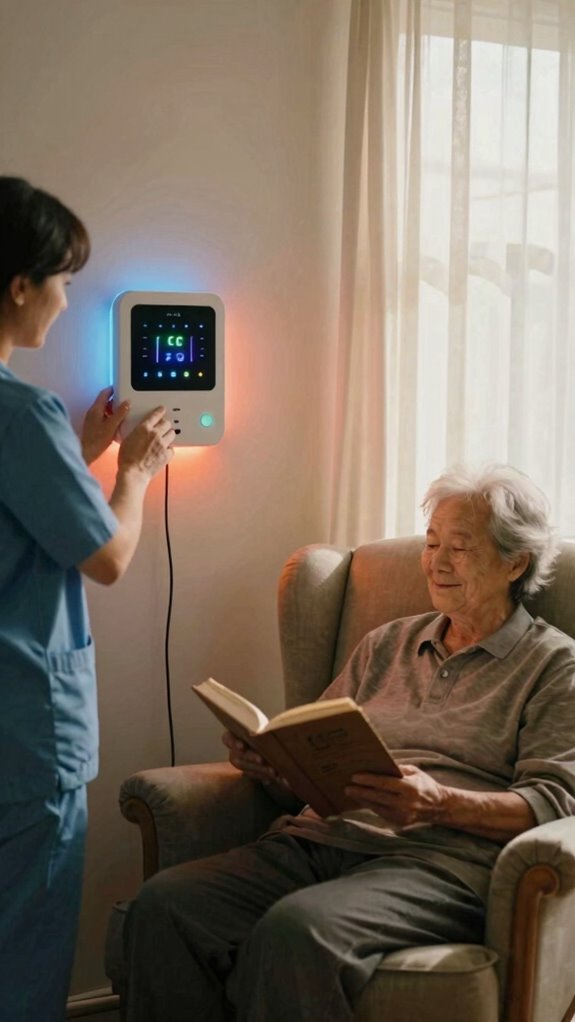
If you’ve ever sat in a dull, flickering office from the early 2000s—and wanted to toss your laptop out the window—you’ll get why installing circadian lighting in a senior home is a game-changer.
Here’s how you can master this:
- Plan your lighting installation carefully—maximize natural light while choosing high-quality, dynamic LED systems for daytime blue-enriched hues and warm tones at night.
- Train your staff—make sure they understand the importance of consistent schedules and how to adjust lighting to mimic natural daylight shifts.
- Set automation routines—real-time RGBTW controls allow you to keep lighting in sync with circadian rhythms, reducing guesswork.
- Monitor and adapt—regularly review residents’ responses, fine-tuning schedules for stability, comfort, and dignity.
- Enhance circadian synchronization—by effectively managing lighting, you support the senior vagus nerve, which plays a crucial role in regulating sleep and overall well-being.
Done right, this isn’t just tech; it’s giving seniors back their independence, one glow at a time.
Success Stories: How Circadian Lighting Improves Senior Wellbeing
Recall those stiff, flickering fluorescent lights in your old corporate office, making every day feel exactly the same—mundane and uninspiring? That’s the mindset many of us carry when it comes to senior living spaces. But here’s the history lesson: we’ve come a long way from static lighting, recognizing how natural daylight and circadian rhythm awareness boost wellbeing.
Now, future innovations are transforming homes—think dynamic LED systems that mimic sunrise to sunset, syncing perfectly with your dad’s natural cycle. It’s about respecting his independence while optimizing his health. No more just “turning on the light” or hoping he naps on schedule.
This isn’t just tech; it’s about dignity, mastery, and tailored care that champions autonomy. Understanding the benefits of bright light therapy lamps can make a real difference in improving mood and energy levels. Additionally, incorporating circadian lighting can help reset and synchronize the biological clock, further supporting overall health. Who says staying sharp has to be a lost art?
Choosing the Best Circadian Lighting Products for Your Facility
When I think about upgrading my dad’s home, I know it’s not just about shiny new gadgets—it’s about making his daily life safer, more comfortable, and, honestly, a little cooler.
To pick the best circadian lighting, here’s what I focus on:
Choosing smart, adjustable lighting that mimics natural daylight keeps him alert, relaxed, and independent all day long.
- Smart bulbs—easy setup, customizable, and controllable via apps to match his routine without fuss.
- Energy efficiency—saving costs means I can invest in better tech, and who wants sky-high bills?
- Dynamic lighting systems—adjust brightness, color temperature, and timing to mimic natural daylight, keeping him alert and relaxed. These systems often incorporate modular components so I can tailor the setup to his specific needs.
- Quality brands—like Signify, RGBTW, or USAI—because ghosting or flickering are old office nightmares I want to dodge.
Frequent Flickering Issue
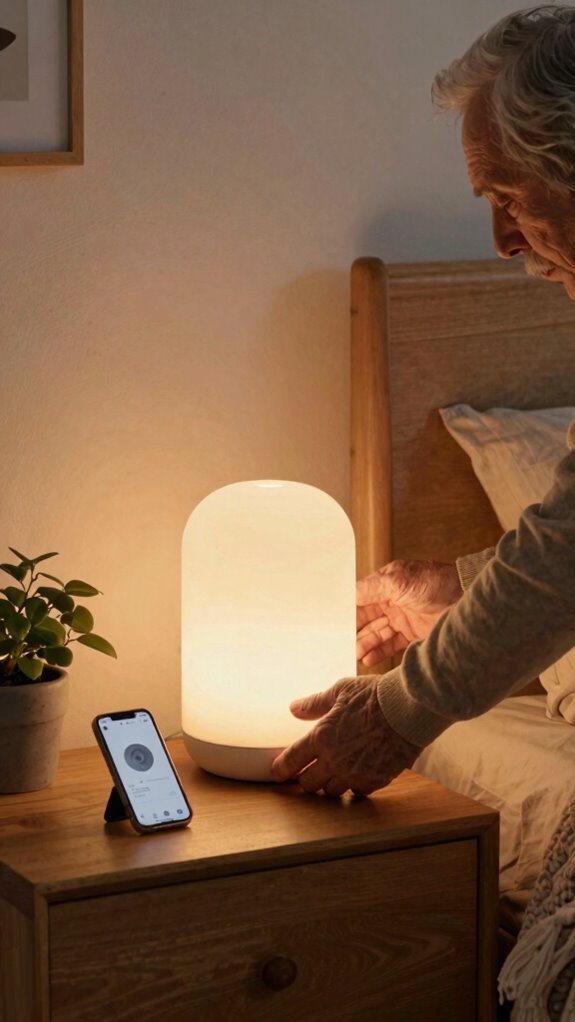
Frequent flickering in circadian lights? Dude, it’s like those buzzing fluorescents from my old corporate hellhole—driving you nuts, right? As you upgrade Dad’s pad for that independent vibe, don’t let flicker wreck his lighting stability.
You demand flicker free design in every lamp. Why? It spikes headaches, tanks sleep rhythms, and kills the circadian boost seniors crave for alertness and mood. Recall my ex-boss’s dim office? Same crap, fragmenting focus.
Hunt dynamic LEDs like Belid or Signify—zero flicker, rock-solid stability. Spec ’em: 400-600 lux daytime (cool 5000K+), dim 80 lux evenings (warm <2800K).
Install smart drivers; test with a flicker meter app.
Ensuring lighting components meet flicker-free standards involves understanding the importance of low flicker in circadian lighting and using reliable sensors designed for pressure monitoring.
Flicker-free? You gift Dad dignity, autonomy—mastery over his day. Who’s still settling for glitchy glows? Level up now.
– Purchase for Circadian Rhythm Support
Ever thought about how the right lighting can actually support your dad’s natural rhythm, instead of just turning night into another confusing, flicker-filled mess? Here’s how to master it:
- Pick sleek, aesthetic designs that blend with his style — no hospital vibe needed.
- Focus on dynamic LED systems that mimic natural daylight cycles — bright blue-enriched for mornings, warm tones for evenings.
- Do a quick cost analysis: upfront investment beats endless health costs down the line.
- Prioritize safety features like flicker-free, adjustable brightness, and ease of control — because old habits die hard, but safe, modern tech stays in control. Incorporating safety features such as these can prevent potential hazards associated with poor lighting.
- Incorporate full-spectrum lighting options to enhance circadian rhythm support and overall well-being.
Adjusting Lighting for Sleep
Isn’t it about time we stopped powering up the night with harsh, blinking lights that seem more suited for a corporate server room than your dad’s cozy home?
Adjusting the sleep environment starts with lighting color — warm tones at night that cue the body to relax and wind down. Bright, cool lights in the morning jumpstart alertness, while dim, amber hues support melatonin release.
Warm night lighting helps your dad relax; cool, bright lights in the morning boost his alertness effortlessly.
This isn’t about fancy gadgets; it’s about respecting your dad’s independence and dignity while making bedtime peaceful, not a glare-fest.
Use circadian lighting systems or smart bulbs that change automatically. These tweaks help stabilize his rhythm, reduce nighttime wandering, and let him enjoy a truly restful sleep. Implementing lighting optimization strategies can also make a significant difference, reducing eye strain and helping him read more comfortably.
It’s high time we ditch the old, disruptive tech for something smarter.
FAQ
How Does Circadian Lighting Impact Cognitive Function in Seniors?
Circadian lighting enhances cognitive function by regulating melatonin production, which improves alertness and sleep quality, and provides visual comfort, reducing fatigue and cognitive stress, helping seniors maintain mental clarity and overall wellbeing effectively.
Can Circadian Lighting Reduce Medication Dependence Related to Sleep Issues?
Could better lighting truly reduce your sleep dependency? Yes, circadian lighting enhances sleep quality, helping seniors need fewer medications for sleep issues. This mastery of environment promotes medication reduction through improved natural rhythms and consistent rest.
What Are the Maintenance Requirements for Circadian Lighting Systems?
You need to routinely check lighting installation connections and clean bulbs to maintain ideal performance. Rely on high-quality bulbs with extended lifespan; typically, LED circadian systems require minimal maintenance, lasting 25,000 to 50,000 hours before replacement.
Is Circadian Lighting Effective Alongside Other Sleep Hygiene Strategies?
A stitch in time saves nine; combining circadian lighting with other sleep hygiene strategies boosts effectiveness. By adjusting color temperature and light intensity, you synchronize sleep cues, enhancing rest quality, alertness, and overall well-being for seniors.
Are There Any Safety Considerations for Seniors Using Dynamic Lighting?
Safety concerns during lighting installation are minimal if you follow proper procedures, guaranteeing secure wiring and compliance with standards. Masters prioritize professional installation to prevent hazards, optimize circadian benefits, and assure safe, effective dynamic lighting tailored for senior care environments.
Summary
upgrading your dad’s home with circadian lighting isn’t just tech for tech’s sake — it’s about reclaiming his independence, boosting his daily vibe, and kinda saying “no thank you” to those boring, flickering old bulbs. Think of it as giving him a daily dose of sunshine indoors, keeping his body’s clock happy and his mood high. You’ll dodge the typical “old folks’ home” traps and make a space where dignity and freshness actually matter. Ready to turn that dull house into a smart, lively sanctuary?
References
- https://pmc.ncbi.nlm.nih.gov/articles/PMC7768397/
- https://www.youtube.com/watch?v=FOX86rJmrYI
- https://wvwl.org/news-events/circadian-lighting-for-seniors/
- https://www.ingemanncomponents.com/insights/effective-lighting-solutions-make-life-brighter-for-the-elderly/
- https://www.shimberg.ufl.edu/publications/Lighting.Effects.on.Older.Adults.Visual.and.Nonvisual.Performance.A.Systematic.Review.pdf
- https://ies.org/lda/lighting-the-way-to-wellness-how-circadian-rhythms-and-rgbtw-lighting-are-revolutionizing-design-2/
- https://www.signify.com/global/innovation/circadian-lighting
- https://news.asu.edu/20250909-health-and-medicine-better-lighting-can-boost-sleep-mood-dementia-patients
- https://www.usailighting.com/circadian-rhythm-lighting