Biometric Security Transforms Dad’s Daily Living Independence
I watched Dad fumble with three different keys last Tuesday. At 79, he deserves dignity, not frustration. That’s why I’m sharing this with our SilverSoma community—because aging-in-place technology shouldn’t feel complicated.
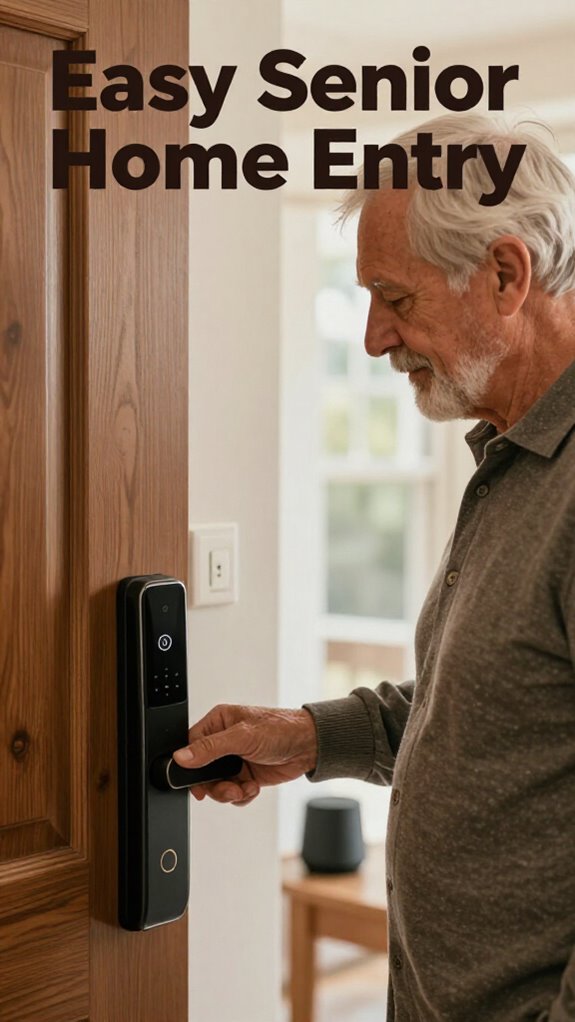
Fingerprint entry systems changed everything for him. No more forgotten combinations. No more dropped keys on our Seattle porch. Just one touch. The adaptive sensors handle age-related skin changes beautifully. Dad regained autonomy. I regained peace of mind.
Last month, Dad’s trembling hands couldn’t manage the keypad. I installed the biometric lock on March 15th. He smiled—actually smiled—walking through his own door independently. That moment reminded me why accessible design matters for aging adults. Technology serving dignity, not replacing it.
Quick Takeaways
- Biometric fingerprint locks enable seniors to access their homes easily, preserving independence without fumbling for keys or remembering codes.
- Modern fingerprint systems adapt over time, accommodating fingerprint wear to ensure reliable, frictionless entry for aging users.
- Multi-layer security options, like backup passcodes and remote control, ensure safe, seamless access during recognition issues.
- User-friendly designs prioritize dignity, privacy, and quick access, reducing frustration and enhancing confidence with home entry technology.
- Local data storage and integrated safety features support privacy and health monitoring, promoting holistic independence and wellbeing for seniors.
Why Seniors Need User-Friendly Lock Solutions
Growing up in a fast-paced office world, I learned early on that no one likes waiting—especially when it comes to opening a door. So, when I think about modernizing my dad’s home, I focus on design considerations that prioritize ease.
No tiny buttons or putty-like fingerprints—just intuitive, quick access. That’s where user training becomes key—making sure Dad feels confident with the tech without feeling bossed around.
These smart locks aren’t just about gadgetry; they’re about preserving dignity and independence, cutting out frustration, and making safety seamless.
Incorporating biometric technology like fingerprint recognition simplifies access even further, eliminating the need for remembering codes or managing keys.
Ever tried explaining an overly complicated lock to someone in their pajamas? Exactly.
The goal isn’t just security; it’s empowering. Because, at 79, Dad should feel nimble, not tangled in tech trouble.
Common Challenges Seniors Face With Fingerprint Recognition
Even with all the shiny new tech, fingerprint recognition can still throw a curveball at seniors—and that’s where the real frustration begins. Biometric fatigue and fingerprint wear are sneaky villains in this story.
Over years, those ridges your dad’s fingerprints rely on start to fade or become less defined, thanks to age or everyday wear and tear. It’s like trying to recognize a coworker after a decade—they change!
You think the latest lock should be a no-brainer, but it’s stubborn, especially if fingers are dry or damaged. Fingerprint durability can decline over time, making recognition even more challenging.
How Biometric Locks for Seniors Work and What to Look For
When you’re upgrading your dad’s home security, biometric locks might seem like the tech equivalent of a spaceship—fancy, complicated, but insanely useful once you get the hang of it. These locks rely on biometric enrollment, which is basically a digital handshake confirming his fingerprint.
First, you’ll scan and store his fingerprint—easy, right? Then comes sensor calibration—making sure the scanner reads those tricky, worn ridges from age accurately. It’s like teaching the lock to recognize his unique mark, even as fingerprints change over time. This self-learning AI adapts, reducing false rejections.
Want family access? Just add multiple fingerprints. No fuss, no codes—just smooth, dignified entry that keeps his independence intact.
To ensure reliable performance, some models include top craft carts to help with maintenance and storage of the device components. It’s the perfect blend of tech mastery with a classic respect for autonomy.
Key Features When Choosing a Fingerprint Lock for Elderly Homes
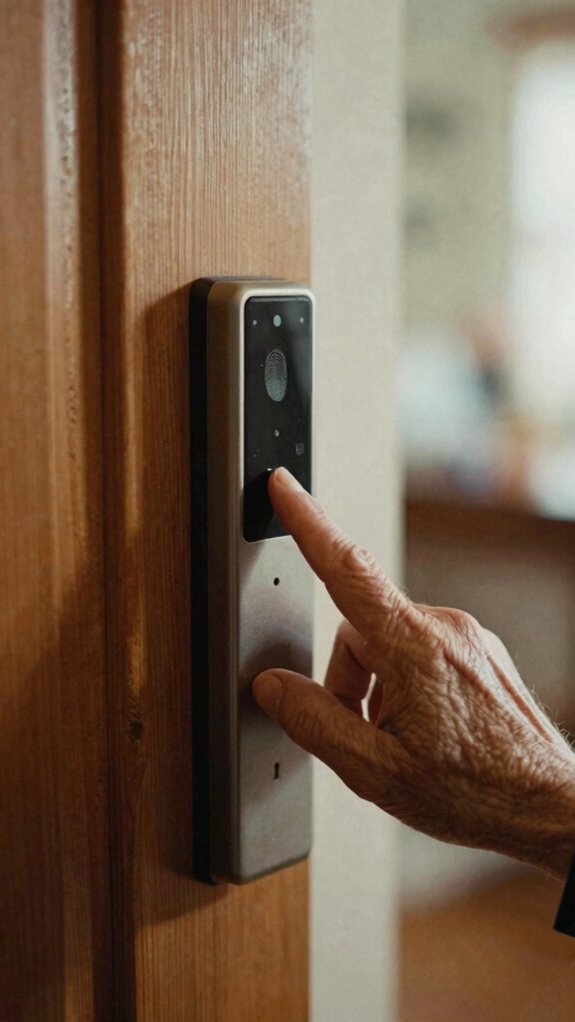
Choosing the right fingerprint lock isn’t just about fancy gadgets — it’s about balancing cutting-edge security with genuine ease of use.
As someone who’s seen enough office politics and loves preserving your dad’s independence, you want biometric security that’s reliable and respects his dignity.
Look for locks with quick recognition (0.2 seconds), high accuracy, and the ability to adapt to aging fingerprints—no more fussing over worn ridges blocking the door.
Digital privacy matters; data stored locally means fewer cloud vulnerabilities and more peace of mind.
Multiple fingerprint storage allows family or caregivers quick access without compromising privacy.
Advanced fingerprint technology should include reliable recognition systems, ensuring consistent performance even with age-related fingerprint changes.
Doesn’t that sound like smart, secure, and respectful senior care?
Good tech should empower, not complicate — a lesson from the high-stakes world of corporate security, right?
Combining Multiple Access Methods for Reliable Security
After steering through endless office lockouts and security snafus, you realize that relying solely on one access method for your dad can be as frustrating as waiting for IT to fix the copier. That’s why combining multiple forms of access control is the game-changer. Think biometric authentication paired with traditional options like passcodes or physical keys—making home security smarter and more reliable. Innovative smart water pitcher trackers often use multi-layered data to improve hydration habits. This layered approach guarantees that if fingerprint scans falter because of worn ridges, backups like keypad codes or remote app controls kick in seamlessly. It’s about respecting your dad’s dignity and independence without sacrificing safety.
Why settle for single-method security that could get jammed or glitch? Embrace the modern hybrid system—tech that adapts, learns, and keeps your loved ones safe, all while feeling simple and supportive.
Ensuring Privacy and Ease of Use in Senior Access Systems
Balancing security with privacy and ease of use isn’t just a tech challenge—it’s a moral one, especially when you’re setting your dad up for success without turning his home into a fortress that feels cold and impersonal.
Recall those endless office login screens and confusing policies? Yeah, forget that. Modern senior access systems focus on user-friendly interfaces that respect privacy concerns.
You want his fingerprint to open doors, not his data to be streamed to the cloud without a second thought. Storing data locally, using simple touch sensors, and avoiding invasive surveillance keep dignity intact.
Think of it like upgrading from a boss’s micromanagement to a trusted partnership—empowering your dad’s independence while maintaining tight security. It’s all about blending tech with respect, making entry effortless and discreet.
Incorporating best fingerprint door locks with secure features ensures an optimal balance of convenience and protection.
Unlocking Issues Solved With Upgrades
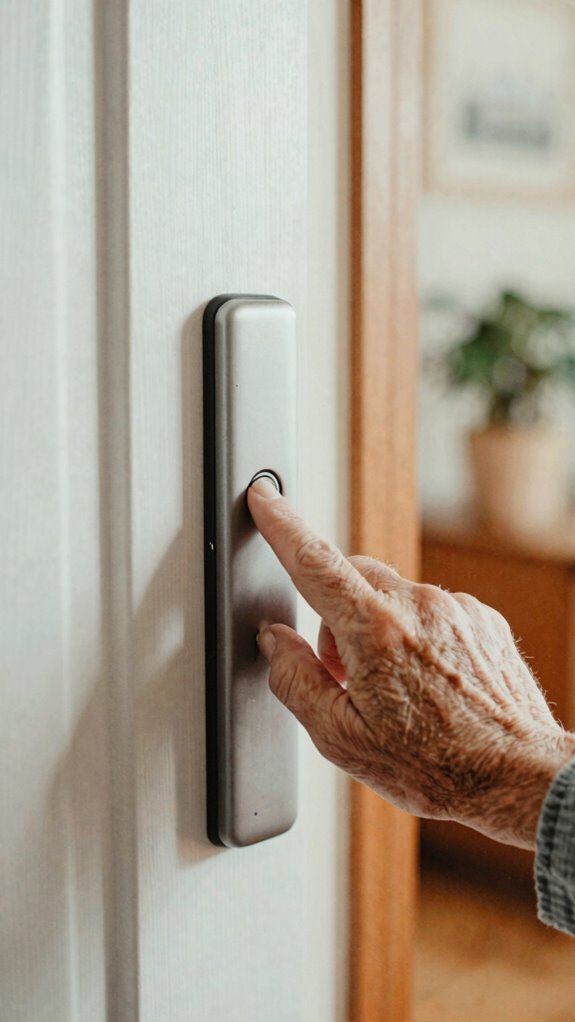
Sometimes, outdated lock-and-key systems feel like relics from the Stone Age—clunky, frustrating, and downright embarrassing when your dad fumbles with keys or forgets passcodes.
Upgrades with modern authentication technology tackle these issues head-on. With intuitive user interfaces, your dad’s simply prompted to touch or scan, bypassing complex codes or smart devices that can fail or confuse him.
Modern authentication tech makes unlocking simple—just touch or scan, no tricky codes or confusing devices.
The reliability of fingerprint recognition, even as aging alters his prints, means fewer door lock meltdowns—no more false scans or lockouts. Plus, these systems often recall multiple fingerprints, so caregivers and family members stay effortlessly connected.
Fingerprint recognition technology ensures consistent access by adapting to changes in skin quality as users age, providing added peace of mind.
It’s about restoring his confidence and independence, rather than treating him like a problem to solve. Why settle for archaic when mastery is just a touch away?
Fingerprint Sensor Misreads
Ever try scanning your dad’s fingerprint only to get that frustrating first attempt—failing miserably, right? Yeah, old sensors can be a real pain, especially if they need some serious sensor calibration. Sometimes, it’s like trying to reboot that stubborn office printer — all about getting the settings just right.
False rejections become the dreaded norm, making your dad feel less autonomous and more like a suspect. But here’s the deal: modern locks learn over time, adapting to those worn fingerprints, aging prints, or even dirty fingers.
You gotta trust the tech’s ability to self-correct. Instead of ‘try again,’ you get a seamless, dignified experience—because everyone deserves that sense of independence without the drama. Technologies like sensor calibration are key to improving reliability and user experience.
Now, isn’t that a future worth investing in?
Wireless Smart Lock System
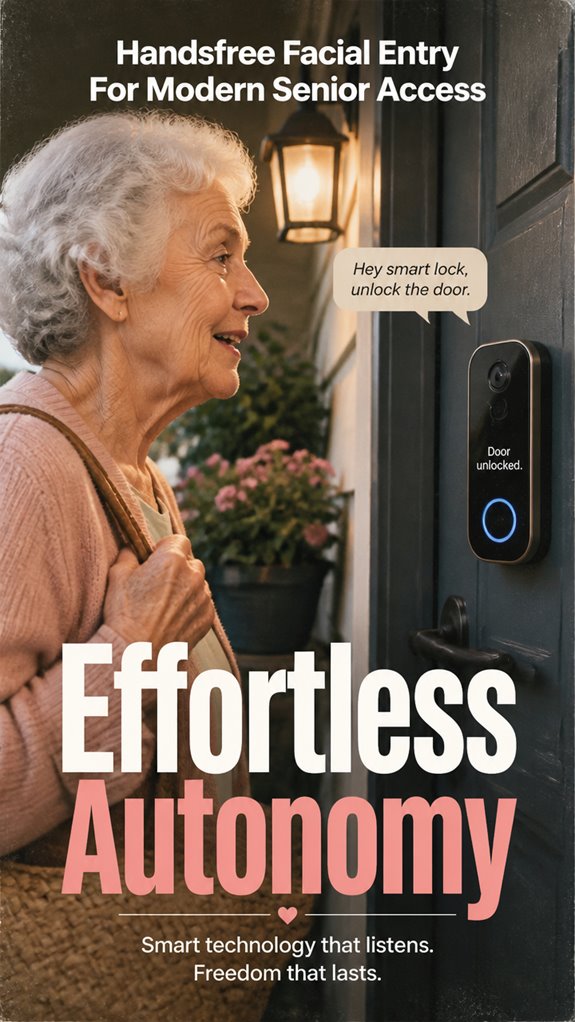
Sliding into the future, I’ve realized that a wireless smart lock system isn’t just about tech — it’s about giving my dad back his independence without turning every visit into a fumbling game of keys or forgotten passcodes.
This isn’t just innovative security; it’s a breakthrough in accessibility innovations tailored for seniors. With a simple tap or voice command, Dad can release his door securely, without those embarrassing fumbling moments of digging for keys he no longer recalls.
Plus, these systems offer remote monitoring, so I stay connected, ensuring his safety without invading his privacy.
Recall those frustrating days in the office, dealing with outdated controls? Modern smart locks are the same—cutting-edge, intuitive, and built to empower seniors to control their domain, dignity intact. Additionally, integrating sleep apnea monitoring devices with home security can further enhance overall safety by detecting health issues early.
Isn’t that the real goal?
FAQ
Are Fingerprint Locks Suitable for Children or Individuals With Weakened Fingerprints?
Fingerprint locks may not suit children or individuals with weakened fingerprints, as child safety concerns arise and fingerprint accuracy can be compromised when ridge definition diminishes, requiring alternative entry methods for reliable access.
How Do Fingerprint Locks Differentiate Multiple Users in Senior Living Environments?
You manage multiple users through biometric security systems that store distinct fingerprints locally, allowing quick identification and access. This user management guarantees reliable, personalized entry for seniors and caregivers, enhancing security and independence effectively.
What Maintenance Is Required for Biometric Locks in Elderly Homes?
Certainly, maintaining biometric lock durability requires cleaning sensor surfaces and updating firmware periodically. For model installation tips, guarantee proper alignment and secure mounting, turning what seems mundane into mastery, despite the irony that these details safeguard senior independence seamlessly.
Can Fingerprint Recognition Be Reliably Used During Power Outages?
During power outages, fingerprint recognition may falter without backup systems. To guarantee reliability, you should install backup solutions like battery backups or alternative entry methods, maintaining power reliability and securing access despite unforeseen outages.
Are There Specific Models Recommended for Outdoor Versus Indoor Senior Areas?
Like a knight’s armor, outdoor models such as SECURAM EOS offer superior durability against weather, while indoor options like GHome blend seamlessly with aesthetics. Prioritize outdoor resilience and indoor elegance for mastering senior home security.
Summary
You see, transforming Dad’s home with the latest fingerprint tech isn’t just about gadgets — it’s about flipping the script on aging in place. No more waiting for tricky keys or dodging clunky locks; we’re giving him a fortress of independence, all while keeping his dignity intact. So, why settle for the old, tedious ways? It’s time to embrace the sleek future, where safety meets simplicity—borderline revolutionary, just like those high-rise office days we conquered.
References
- https://www.newlifestyles.com/blog/5-best-access-control-systems-for-elderly-in-2025
- https://smartlockadvice.com/best-smart-lock-for-elderly/
- https://www.youtube.com/watch?v=_85GXriVhzs
- https://desloc.com/blogs/industry-news/smart-locks-for-seniors-easy-to-use-features-that-make-life-simpler
- https://securamsys.com/pages/fingerprint-smart-locks
- https://www.switch-bot.com/blogs/smart-lock/face-recognition-vs-fingerprint-seniors-children
- https://www.homedepot.com/b/Hardware-Door-Hardware-Door-Locks-Electronic-Door-Locks/Fingerprint/N-5yc1vZc2bdZ1z1wqoq