Dad’s Gentle Dawn: Reclaiming Mornings at 79
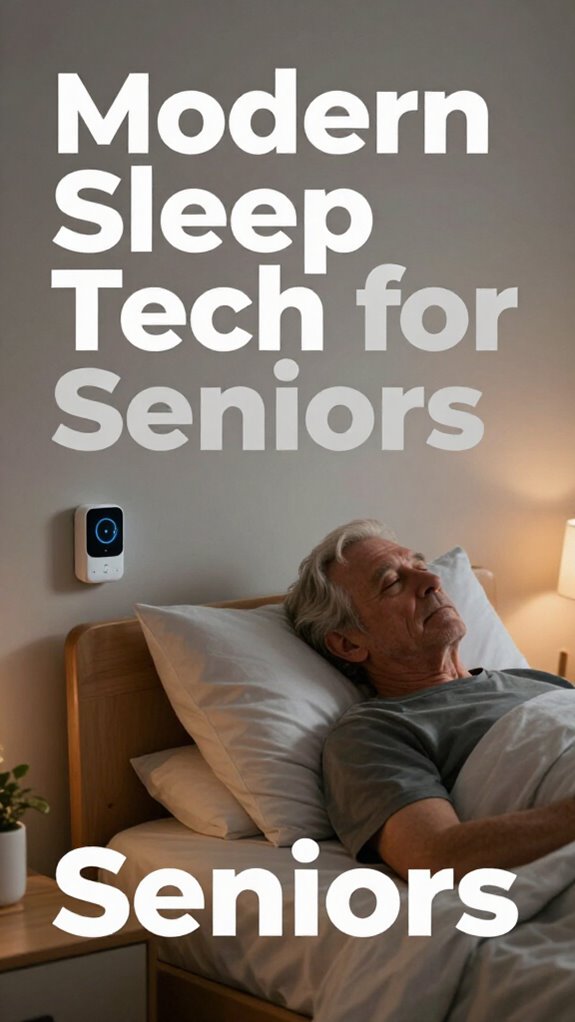
I ditched those blaring 6 AM alarms for Dad. His bedroom now bathes in soft, circadian-synced lighting that mimics sunrise. Smart temperature sensors adjust automatically. No surveillance feeling—just dignity restored. I write this for SilverSoma because aging shouldn’t mean losing autonomy. Dad wakes naturally now, alert and independent.
Last March, Dad knocked over his alarm clock reaching for it. That moment changed everything. I installed Philips Hue lighting with sleep-tracking sensors that weekend. Now he wakes peacefully at his natural rhythm. No more accidents. No more anxiety. Just Dad, reclaiming his mornings with grace and autonomy.
Quick Takeaways
- Use gentle, automated lighting transitions, such as sunrise simulations, to support natural wake-up routines and circadian alignment.
- Incorporate smart wake-up devices that utilize vibrations or light cues to enhance independence and prevent disorientation.
- Monitor sleep patterns with unobtrusive sensors to optimize environment adjustments and ensure safety.
- Design home environments with circadian lighting and automation that promote healthy sleep-wake cycles naturally.
- Implement personalized routines supported by technology to maintain dignity, safety, and autonomy in daily waking processes.
Why Sleep and Wake Cycles Matter for Seniors
Let’s face it — after years in the corporate grind, I’ve learned that timing is everything.
When you upgrade your dad’s home, you’re not just installing fancy tech; you’re tuning his entire rhythm – sleep and wake cycles matter more than ever.
Proper routines aren’t just about avoiding fatigue; they’re about mental health and social engagement.
If his circadian rhythm is out of sync, he might get cranky, confused, or isolated — the perfect recipe for losing independence.
To support this, wearable tech like stress tracking rings can help monitor his relaxation levels and overall well-being. stress tracking rings
So, I focus on smart lighting and circadian tech that naturally nudges his body toward a balanced schedule.
It’s about dignity, autonomy, and staying connected to life, not just managing safety.
Who needs more hospital visits when you can craft a home that keeps him thriving on his own terms?
How Home Design Supports Natural Sleep and Wake Routines
Getting your dad to sleep on a natural schedule isn’t just about flipping a switch—it’s about designing the home environment to gently guide his body’s internal clock.
Think of it as tuning into his sleep architecture and circadian rhythms, like syncing a fancy old-school audio system. You want lighting that shifts with the sun, mimicking natural daylight to signal wake-up time and dimming into subtle darkness for sleep.
No more harsh fluorescents blaring at 2 a.m.; that’s so 20th century. Smart circadian lighting, integrated with sunrise simulation clocks, reinforce his internal rhythm, keeping him balanced and alert. It’s like giving his home a wake-up call every morning—minus the boring alarm.
Who needs old office grayness? Your dad’s space should empower his independence with dignity, naturally and effortlessly.
Using Technology to Help Seniors Wake Up Easily
Waking up your dad with the click of a button—sounds like something out of a sci-fi movie, right? But it’s actually modern tech doing the heavy lifting, blending seamlessly into his cozy home while respecting his independence.
These smart wake-up systems use gentle light signals and subtle vibrations, awakening him gradually instead of startling him awake like a boss yelling from the other room. It’s not just about convenience; it’s about philosophical implications, shaping how we see aging—dignified, autonomous, empowered.
Society impacts? Huge. We’re redefining caregiving from reactive chaos to proactive harmony. Think about it: no more shouting, no more intrusive alarms. Just tech that honors his autonomy and your peace of mind.
Considering the growing availability of talking alarm clocks and other accessible devices, integrating these tools can further enhance seniors’ safety and independence. Additionally, using non-melatonin sleep aids, such as gentle light therapy or natural calming techniques, can improve overall sleep quality without medication.
Isn’t that the future we wanted, where respect and innovation walk hand-in-hand?
Creating Morning Routines That Promote Independence

After years of steering through the chaos of office deadlines and bossy emails, you know that a solid morning routine sets the tone—keeps things smooth, fights chaos before it even starts.
So, you’re modernizing dad’s home, adding morning rituals that promote independence. Think personalized cognitive cues: gentle lighting that mimics sunrise to cue wakefulness or smart speakers reminding him of the daily schedule.
These cues aren’t just routine—they’re signals that empower him to start his day confidently. Envision positioning easy-to-reach items or using voice commands for essentials, eliminating fumbling and frustration.
Why rely on old-school alarms or invasive devices? Instead, build a seamless, dignity-preserving system that cues his body for a smooth wake-up, fostering autonomy with a tech-savvy touch he’ll love—minus the chaos, plus peace of mind. Incorporating under cabinet lighting can provide subtle, effective illumination that supports his morning routine without startling him awake. Utilizing solar-powered lighting can add an environmentally friendly and reliable source to ensure safety during early hours.
Monitoring and Adjusting Sleep With Intelligent Devices
You know that feeling of waking up after a restless night—your mind racing, body feeling more like a machine than a human tank? I get it—I’ve seen it with Dad too. That’s where smarter sleep tech steps in.
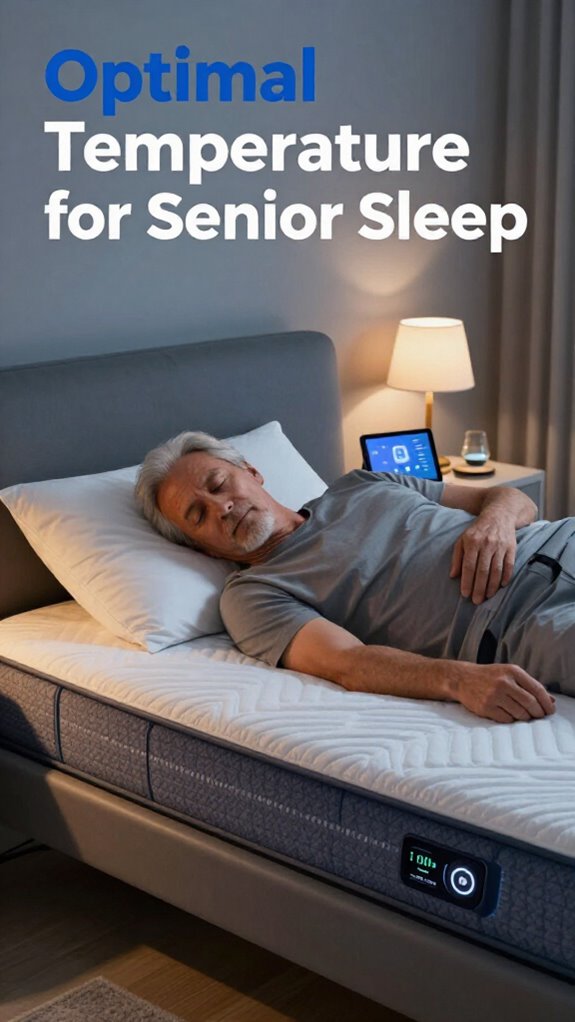
Using intelligent devices, you can now do personalized sleep coaching and optimize the sleep environment without fuss. Visualize sensors tracking his sleep cycles, adjusting his bedroom lighting, temperature, and even soundscapes automatically—no more guessing games.
It’s like having a personalized guardian angel that respects his dignity and independence. You avoid the drama of waking him up at the worst moment, and instead, help him wake naturally, refreshed.
Advances in static occupancy detection now allow sensors to monitor breathing and heart rate discreetly, providing even more precise insights into sleep quality. This isn’t just tech for tech’s sake; it’s a way to keep him thriving without losing his autonomy—that’s real progress. Incorporating smart home technology can further enhance his environment by seamlessly adjusting settings based on his sleep patterns and preferences.
Tips for Families to Support Healthy Sleep Habits
Balancing the desire to keep Dad fully independent while making sure he sleeps soundly isn’t as intimidating as convincing that boss to finally let go of his timecard, I promise.
When tackling sleep disturbances, start by creating a calm, tech-supported environment — think circadian lighting custom-timed for his biological rhythm, not some outdated “lights out at 10” rule.
Encourage dream analysis; those old office stressors often sneak into his REM cycles, so gently ask about his dreams.
Gently explore his dreams to uncover and ease lingering office stressors affecting his sleep.
Use subtle smart home cues to signal when it’s time to wind down, without fussing or intruding.
Modernizing sleep support means understanding that a well-validated, peaceful night fuels his independence tomorrow. Additionally, employing silent sleep monitoring strategies can help assess sleep quality without disrupting his rest, preserving his dignity and comfort. Recognizing how sleep patterns influence overall wellness may further help families tailor supportive routines that foster both safety and autonomy.
Sunrise Light Gradually Intensifies
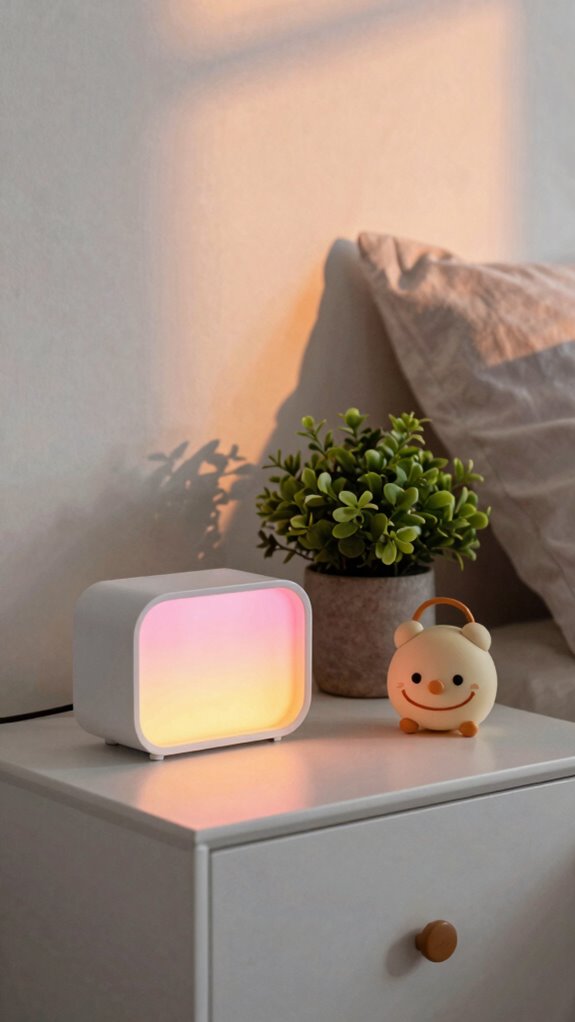
Think back to those early mornings in the office, waiting for that slow, predictable turn of the sunrise alarm to kick in—like clockwork but totally uninspired. Now, envisage waking up to a sunrise that mimics nature’s artistry, gradually intensifying and shifting colors. It’s more than just a fancy light show; it’s ecological mindfulness in action—honoring natural rhythms while conserving energy.
As a son redefining your dad’s space, you know independence is about dignity, not discomfort. These smart, gentle dawn cues help your dad start every day with purpose—no jarring shifts or mechanical buzzers.
It’s about blending science with beauty, making his morning ritual a chance to celebrate life’s quiet changes. Who needs old-school alarms when you can wake up to a flawless, restorative sunrise every day?
Automated Sunrise Lighting Systems
Pulling that outdated, flickering alarm clock out of your dad’s bedside table feels like stepping back into a world of chaos—just think, for a second, how often those jarring sounds disrupt his morning routine or spook him into an anxious start.
Enter automated sunrise lighting systems, a game-changer for mastering Circadian alignment and light therapy. Instead of abrupt alarms, these smart hues gently wake him with gradual, natural light shifts that mimic sunrise, supporting his biological clock and easing him into the day.
Gentle sunrise lights wake him naturally, supporting his circadian rhythm and starting mornings peacefully.
It’s like giving him control back, the dignity of waking peacefully. No more startling, stress-inducing buzzers—just smooth, restorative mornings that promote autonomy and well-being.
By leveraging predictive heat maps, these systems can even tailor lighting cues based on his typical routines, further enhancing comfort and independence. This personalized approach makes the waking experience more comfortable.
Honestly, why settle for yesterday’s chaos when modern tech handles the wake-up now?
Smart Home Health Integrations
Moving beyond the days of patchwork safety alarms and fear-driven interventions, today’s smarter homes have completely flipped the script on senior care. Now, you’re integrating tech that’s intuitive, seamless, and respectful — you’re a maestro orchestrating wellness.
When installing sensors, calibration is key. You want them finely tuned, avoiding false alarms or missed signals, but not so sensitive they twitch at shadows. It’s a balancing act, much like negotiating with a stubborn boss or managing project deadlines — precision is everything. Additionally, top door alarm sensors offer reliable detection, enhancing overall security.
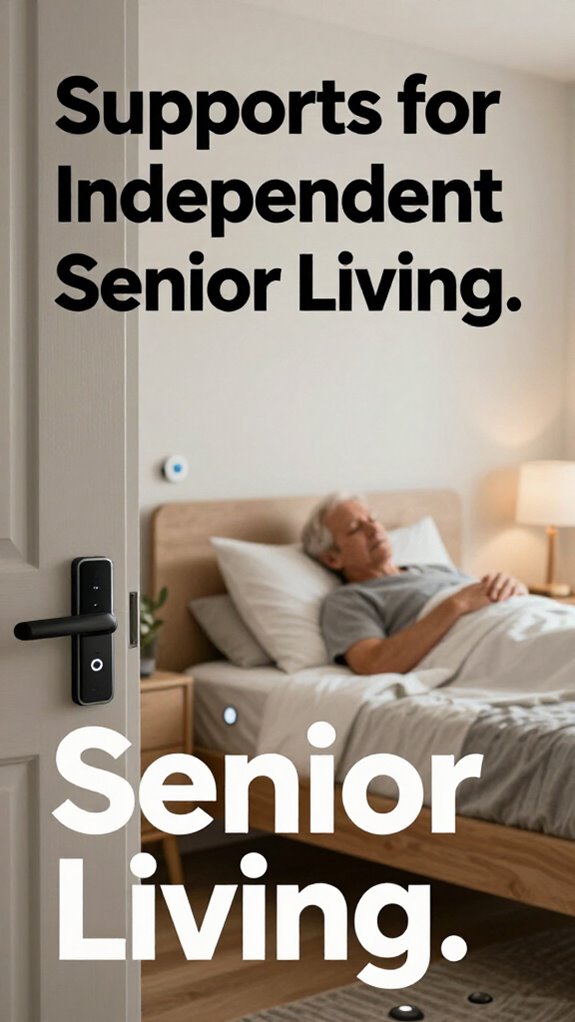
Modern health integrations allow your dad to live with dignity, perched on the edge of independence, without feeling watched or infantilized — empowering them, truly. Using top floor pressure sensors, you can closely monitor activity patterns and ensure safety without compromising privacy.
FAQ
How Do Ambient Biometrics Detect and Improve Waking Comfort for Seniors?
Biometric sensors enable sleep enhancement by continuously monitoring essential signs and environmental factors, allowing you to adjust lighting and climate for crucial waking comfort. This seamless data-driven approach enhances your independence, ensuring restorative sleep and gentle awakening.
What Privacy Considerations Exist With Advanced Sleep and Wake Monitoring Systems?
You might worry about privacy, but with data encryption and explicit user consent, advanced sleep and wake systems protect your information. Mastering these measures guarantees your autonomy remains secure while enjoying seamless, unobtrusive health monitoring.
Can Predictive Fall Systems Influence Sleep Quality in Seniors?
Predictive fall systems can enhance sleep quality and fall prevention by minimizing nighttime hazards, reducing anxiety, and ensuring a safer environment. This mastery of environmental control fosters restful sleep while proactively safeguarding seniors from fall risks.
How Do Circadian Lighting Systems Adapt to Individual Sleep Patterns?
You can master circadian rhythms through adaptive lighting adjustment, which fine-tunes color temperature and brightness based on your sleep patterns, fostering ideal, personalized sleep-wake cycles that enhance overall energy and independence.
What Role Do Smart Home Voice Assistants Play in Morning Routines?
You master your morning routine with voice customization and routine automation, seamlessly controlling lighting, music, and temperature. The smart home voice assistant adapts to your preferences, ensuring a smooth start that supports senior autonomy and daily well-being.
Summary
Envision this: your home doesn’t just watch over Dad—it anticipates his needs, like a savvy executive who’s always one step ahead. Sure, some worry about “big brother” vibes, but that’s the beauty. It’s about empowering independence, not spying on him. With seamless tech that respects dignity plus a sprinkle of human touch, Dad wakes up refreshed, confident he’s in control—no more nagging, just smart support. Now that’s senior living upgraded. Isn’t it about time we embrace the future?