Creating Calm Spaces For Dad’s Golden Years
I realized my 79-year-old father deserved better than fluorescent chaos.
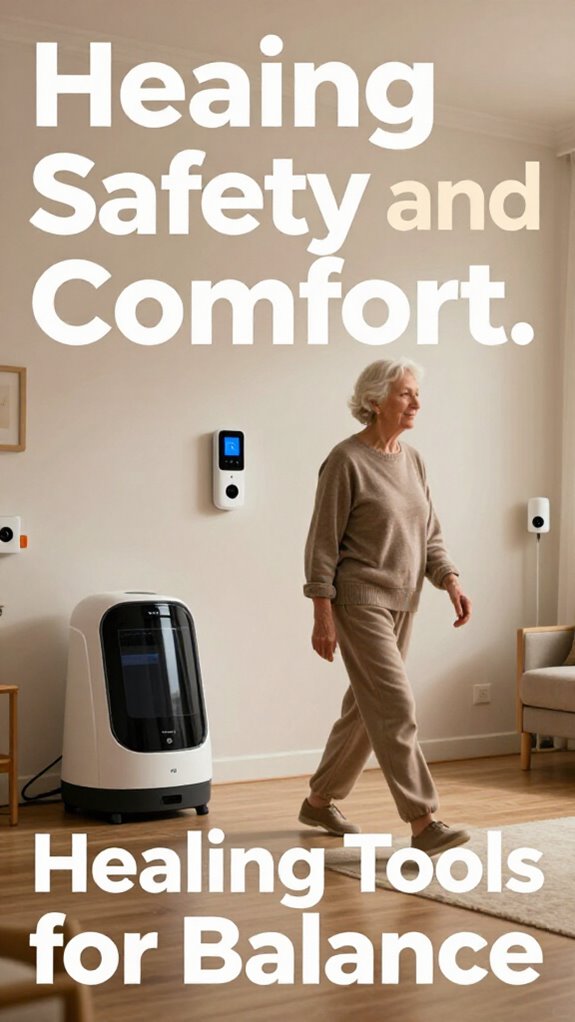
That’s why I’m sharing this with SilverSoma’s community—because sensory-friendly aging matters. Dad’s space now features circadian-rhythm lighting, silent motion sensors, and AI fall detection. I swapped harsh bulbs for warm ambiance. Calming aromatherapy diffusers replaced clinical scents. His sanctuary respects his autonomy while keeping confusion at bay.
Last March, Dad nearly tripped in harsh hallway lighting. After installing dimmable LEDs and motion-activated nightlights, he gained confidence navigating independently. He smiled differently—less anxious, more present. That moment proved thoughtful design preserves dignity while protecting our elders.
Quick Takeaways
- Implement adjustable lighting and circadian mood lighting to create a calming environment and support natural sleep-wake cycles.
- Use discreet sensors and smart home systems to monitor safety and environmental changes unobtrusively.
- Incorporate calming scents, gentle music, and sensory therapies to reduce overload and promote relaxation.
- Design clutter-free, cozy spaces for quiet reflection to minimize visual and auditory overstimulation.
- Regularly adapt sensory inputs like light, sound, and textures to meet evolving needs and maintain peace.
What Causes Sensory Overload in Seniors and How Does It Impact Their Peace?
Have you ever walked into a room full of blinking lights, loud noises, and the hum of a hundred devices, and felt your own brain scramble just trying to make sense of it all? That’s sensory processing overload—imagine that happening every day for seniors with neurological sensitivities.
It’s like their brains get overwhelmed by tiny, constant stimuli, which can lead to confusion, irritability, or even safety risks. As someone who’s spent decades in the corporate world, you know what it’s like to drown in chaos, right?
Now picture trying to navigate your home when every sound and flash pulls focus. By understanding this, you can create a serene space—reducing sensory overload through smart lighting, soundproofing, and invisible UI—that respects your dad’s dignity and helps him stay independent, not just survive. Implementing bright light therapy lamps tailored to seniors’ needs can also help regulate their sensory input and improve their overall mood and well-being.
Simple Tech Tools to Reduce Sensory Overload at Home
Even with all the fancy gadgets out there, reducing sensory overload at home doesn’t have to mean turning your place into a high-tech fortress—sometimes, simple tools are the real game changers. Think aesthetic minimalism: clutter-free zones with calm, neutral tones that won’t send your dad bouncing off the walls.
A splash of color therapy using soft, soothing shades helps regulate mood without overwhelming senses. Smart lighting that mimics natural sunlight, gradually shifting hues, keeps his circadian rhythm happy and reduces sundowning.
Easy-to-use voice commands or remote controls for lights and blinds mean he stays independent, not boxed in by tech. Forget the headaches of old office environments—here, simplicity and thoughtful design restore peace, dignity, and autonomy for your dad, with just enough modern flair to keep you smiling.
Designing a Calm, Age-Friendly Home Environment
After years battling endless meetings and bosses shouting deadlines, you know that a calm space isn’t just about good decor—it’s about restoring sanity.
When you’re modernizing your dad’s 79-year-old home, you want to make it truly respite-ready. Think color therapy—soothing hues like soft blues and gentle greens that calm the mind and reduce stress.
Pair that with aromatherapy options; subtle diffuser scents like lavender or vanilla help ease everyday anxiety.
Ditch the harsh fluorescent lights; instead, install circadian mood lighting that mimics natural sunlight. Incorporating adjustable lighting solutions can further enhance the calming environment by allowing customization based on the time of day. Additionally, using sunrise alarm clocks can gently wake him with natural light, supporting his sleep-wake cycle and promoting a peaceful morning routine.
It’s all about creating an environment that respects his independence, dignity, and peace of mind, free from overstimulation.
Who says senior spaces have to be boring? Your goal: a sanctuary that feels like a gentle hug—tech-savvy, warm, and totally tailored.
Practical Tips for Managing Noise, Light, and Visual Stimuli
Let’s be honest—navigating the noise, flickering lights, and overwhelming visuals in your dad’s home can feel like managing a chaotic office on deadline day. To bring calm, embrace biophilic principles—think natural textures, greenery, and soft lighting that mimic outdoors. Use color therapy to set soothing tones; calming blues and gentle greens reduce stress and boost dignity.
| Noise | Light | Visual Stimuli |
|---|---|---|
| Use soft soundproofing | Install circadian LED panels | Minimize clutter, promote simplicity |
| Play calming background sounds | Control natural light with smart blinds | Limit bright or flashing screens |
| Use white noise machines | Opt for warm, natural hues | Create cozy corners for quiet reflection |
Are you ready to turn chaos into comfort—without turning your dad’s home into a sterile hospital?
Mindfulness and Relaxation Techniques for Seniors’ Peace
Taking all those high-tech safety gadgets and sleek AI fall predictors into account, it’s easy to forget that sometimes the simplest tools—like a moment of calm—can make the biggest difference. That’s where mindfulness and relaxation techniques come in, boosting your dad’s sense of peace without feeling invasive.
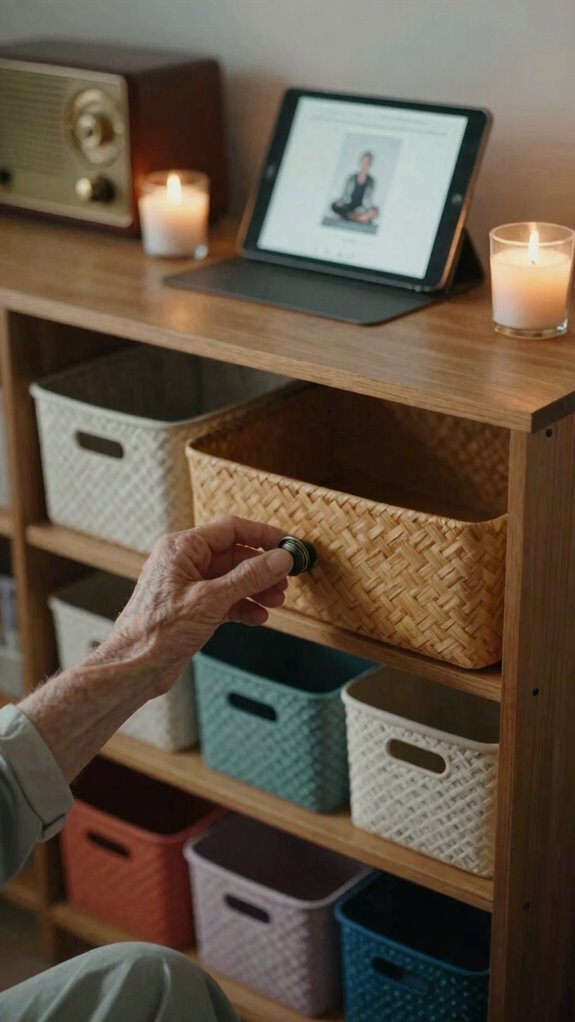
Think sensory therapy, like soft music or calming scents, to gently anchor him in the present. Combine that with brain training—easy puzzles or guided meditation apps tailored for seniors—and you’re actively supporting his autonomy. Integrating simple organizational tools like tiered storage bins can help create a clutter-free environment, further promoting relaxation and mental clarity. These methods help reduce stress, sharpen focus, and sustain dignity. Keeping a peaceful space encourages mental well-being and emotional comfort. Incorporating tiered storage bins into your organization can help create a clutter-free environment, further promoting relaxation and mental clarity. Keep in mind, your goal isn’t just safety but a peaceful, fulfilling life.
Who says tech can’t be personal? It’s all about creating a space where mental clarity and serenity thrive.
Adjusting Strategies Over Time for Lasting Serenity
Sometimes, keeping things fresh and effective means staying one step ahead—kind of like those high-stakes projects where pivoting fast could make or break everything. You’re constantly tweaking your dad’s space, blending sensory integration and environmental customization to keep him peaceful and independent. Think of it like a chess game: you shift lighting, sounds, and textures as his needs evolve. Here’s a quick snapshot:
| Change in Environment | Sensory Strategy |
|---|---|
| Brightening mornings | Sunrise simulation clocks |
| Softer lighting at night | Circadian LED panels |
| Calming sounds in common spaces | Diffusers and soundscapes |
| Subtle textural upgrades | Orthopedic cushions and rugs |
This isn’t about replacing old routines; it’s about upgrading his sanctuary—making his home as adaptable as your old office cubicle to stay relevant and respectful of his dignity. Additionally, understanding sensory processing can help tailor interventions more effectively to his changing needs.
It’s also beneficial to incorporate environmental customization strategies, such as non-reflective flooring, to minimize overstimulation and ensure a peaceful atmosphere.
Silent Sensors Detect Overload
Ever notice how traditional safety sensors often feel clunky, intrusive, or just plain *big brother*? It’s like those endless sensors in old office buildings that buzz every time someone breathes too loudly.
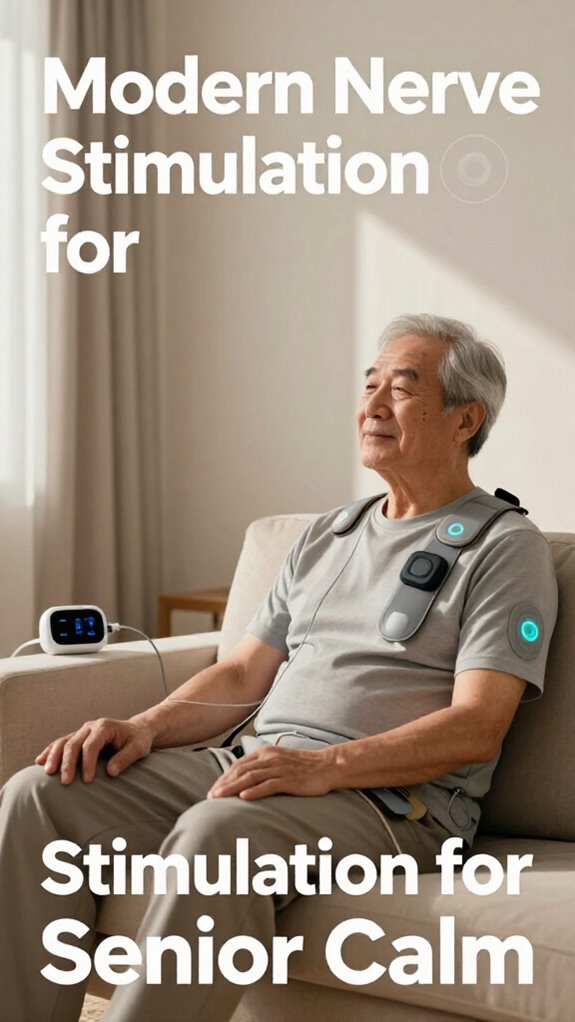
Now, *envision* no more alarms blaring at the smallest sign of overload. Silent sensors do the heavy lifting—they discreetly monitor crucial signs, like heart rate and stress levels, without fuss or fussing. These sensors are increasingly integrated with smart home technologies, allowing for more seamless and intuitive management of your loved ones’ safety.
For your dad, this means he can enjoy his mornings with his hearing aids and even relax with aromatherapy diffusers seamlessly working in the background—no alarms, no fuss.
These sensors detect the overload before it hits, giving you peace of mind that his dignity stays intact while he maintains his independence.
Moreover, these sensors are often designed with considerations from best colored door tapes, ensuring they are less conspicuous and blend seamlessly into modern home aesthetics.
No more feeling like a guard, just gentle support.
Silent Sensors Promote Calm
While those old office sensors that buzzed at the slightest hint of chaos are long gone, the idea of intrusive alarms still lingers in care settings. You want your dad’s home to be calm, not a place where every move triggers a spectacle. Silent sensors promote that sense of peace by blending seamlessly into his environment. They tap into sensory integration and environmental synchronization, creating a space where safety feels natural and unobtrusive. Envision sensors as part of the furniture—not a constant reminder of vulnerability. They track movement and subtle changes without invading his dignity. Here’s a quick look: ambient motion sensors.
| Purpose | Effect |
|---|---|
| Movement detection | Keeps autonomy intact, no false alarms |
| Environment monitoring | Ensures calm without chaos |
| Seamless integration | Promotes peaceful sensory flow |
| Zero false alerts | Reduces frustration, preserves dignity |
| Discreet design | Maintains a cozy, familiar atmosphere |
Implementing non-intrusive monitoring devices can further enhance the harmony and safety within your dad’s living space.
AI Fall Prediction Technologies
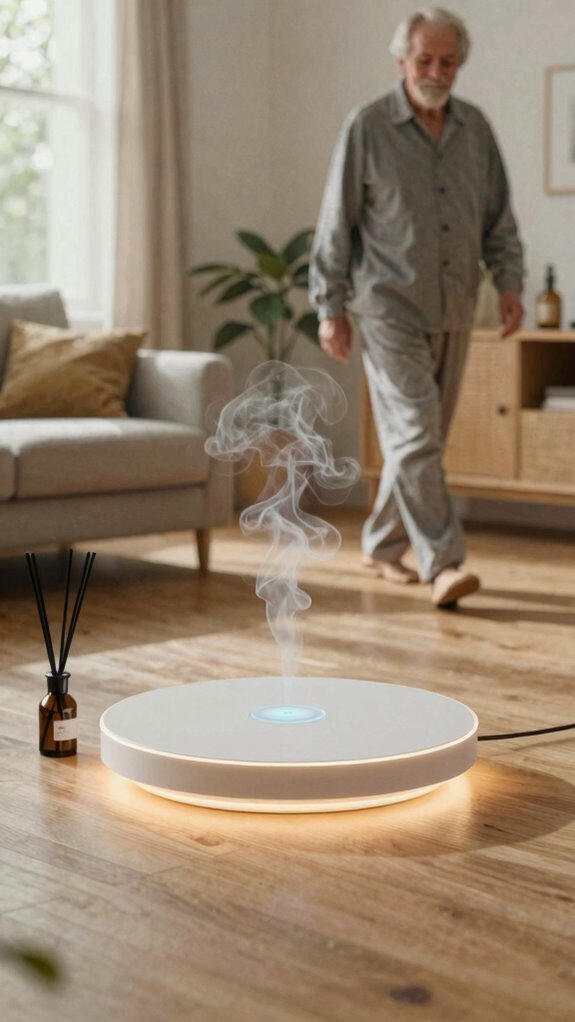
If you’re tired of waiting for that inevitable “oops” moment — and, let’s be honest, so are your parents — then AI fall prediction tech is the game-changer you’ve been dreaming of.
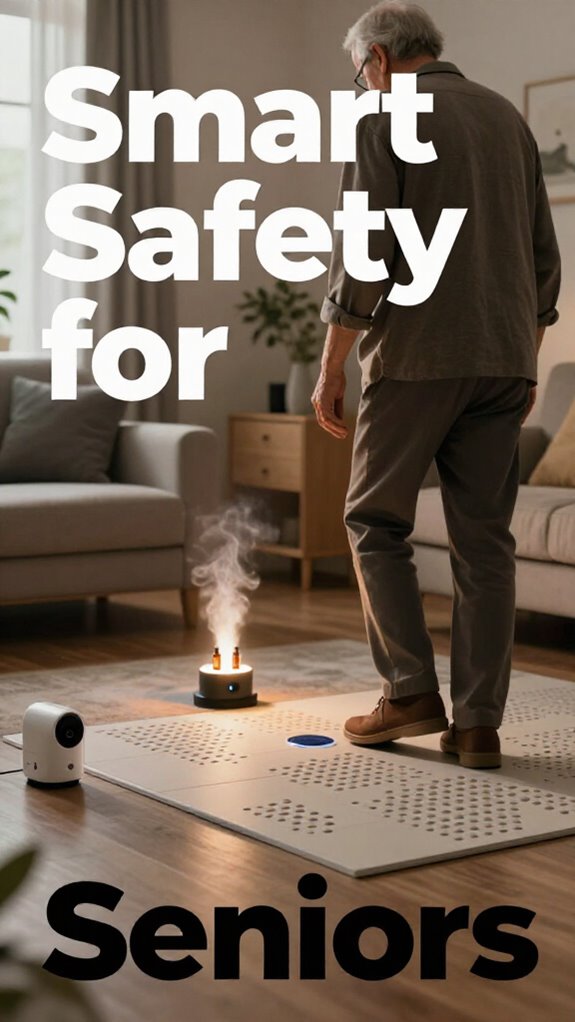
Envision sensor integration with real-time AI vision, LiDAR floor scanners, and haptic feedback floors that give gentle nudges when your dad’s gait shows signs of slipping. It’s like having a digital guardian that learns his every move, picking up on tiny shifts in balance and stride, before a fall even occurs.
Incorporating essential oil diffusers into these environments can help promote a calming and reassuring atmosphere, further supporting your dad’s sense of well-being and comfort. No more embarrassing alarms or invasive cameras—just smart, invisible guardians working seamlessly into the home’s architecture. This isn’t sci-fi; it’s about respecting your dad’s dignity and fostering independence while giving you that peace of mind you’ve craved—finally, tech that truly cares.
Utilizing vibrational fall sensors can further enhance safety by providing precise, non-intrusive alerts that complement AI predictions.
FAQ
How Do Sensors Ensure Seniors’ Privacy When Monitoring Their Sensory Environment?
You’re surrounded by unseen guardians, silently guarding sensor privacy and data security, like gentle walls of light that shield your space. These sensors protect your intimacy, ensuring your life remains private, safe, and respected within your personal sanctuary.
Can Sensory Management Technologies Be Customized for Individual Sensory Sensitivities?
You can customize sensory management technologies through personalized calibration, tailoring settings based on sensory profiling. This guarantees a gentle, calming environment that respects your unique sensitivities, fostering comfort and confidence in every moment at home.
What Are the Potential Risks of Over-Reliance on Automated Sensory Systems?
You might rely too much on sensor reliability, risking overstimulation or false alarms that can cause anxiety. Stay attentive to your loved one’s genuine needs, ensuring these systems support their well-being without overwhelming or replacing personal connection.
How Do Home Designs Adapt to Evolving Sensory Needs Over Time?
You adapt your home with smart lighting and acoustic optimization, creating a personalized sanctuary that responds to your changing sensory needs over time. This thoughtful design enhances comfort, promotes wellness, and nurtures your sense of intimacy daily.
Are There Any Contraindications for Using Relaxation Tech With Cognitive Impairments?
While relaxation tech can benefit cognitive health, you should always conduct a cognitive assessment first. Safety precautions are essential to avoid overstimulation, ensuring your loved one feels secure and comfortable during calming activities tailored to their unique needs.