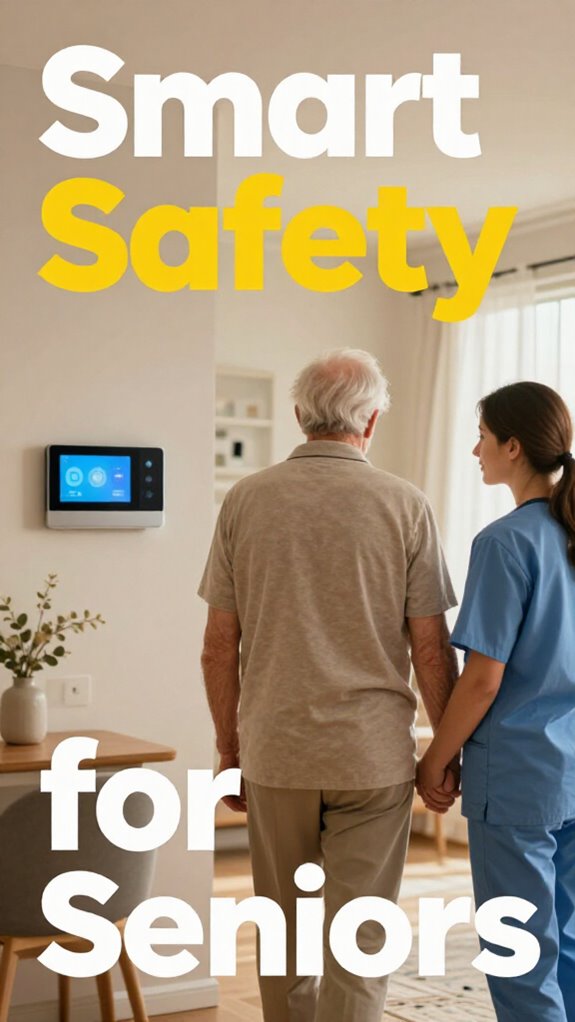

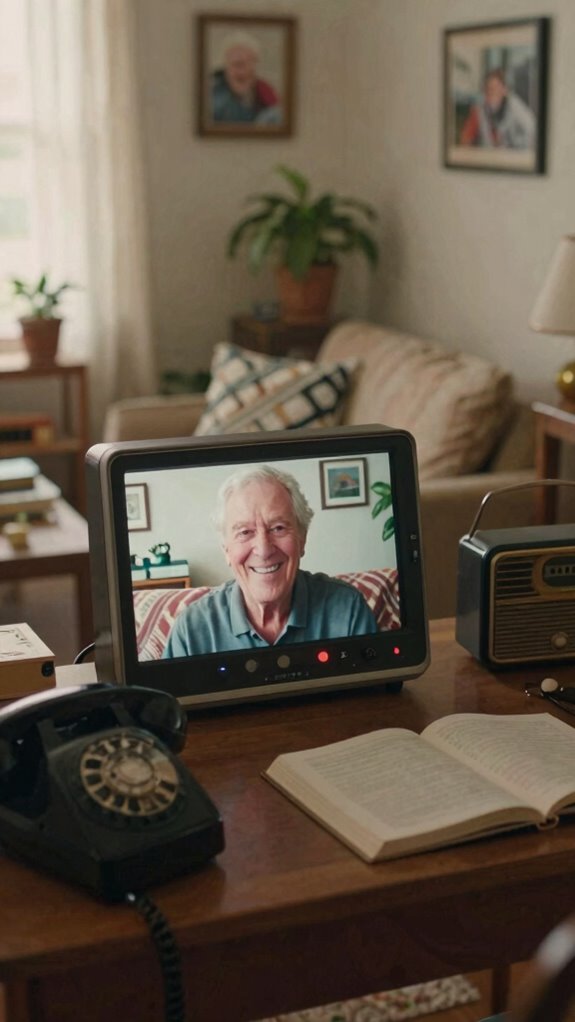
Rekindling Dad’s World Through Crystal-Clear Video Calls
I discovered my 79-year-old father deserved better than pixelated faces and muffled voices.
I’m sharing this on SilverSoma because aging parents shouldn’t feel isolated.
High-definition cameras caught Dad’s genuine expressions during our Tuesday evening calls. I positioned warm LED lighting in his Jacksonville living room, eliminating shadows. Voice-activated reminders helped him join video sessions effortlessly. Crystal-clear audio meant I never missed his stories about his 1987 Chevy restoration project.
Last month, Dad video-called me during his gardening session—something he’d avoided before. His tomato plants filled the frame, and he showed me each one with pride. That unfiltered moment of connection, his weathered hands pointing at green shoots, reminded me why gerontechnology matters. Real intimacy lives in these unguarded exchanges.
Quick Takeaways
- Utilize high-quality, easy-to-use video devices with large icons and voice commands to foster natural, seamless interactions.
- Create private, cozy spaces with warm, adjustable lighting and soundproofing to enhance focus and comfort during calls.
- Observe facial and body language cues for emotional connection, and employ gentle tone adjustments to foster reassurance.
- Ensure stable, high-resolution audio and video through optimized device settings and reliable internet for clearer communication.
- Incorporate discreet health and safety sensors to promote independence and trust without compromising privacy.
Why Video Communication Is Vital for Senior Care
You know, back in the day, if a boss wanted a quick update, we’d just call someone or shoot off an email—pretty simple, right? But now, with augmented reality and advanced video communication, you’re leveling up your senior care game.
Think about it: real-time face-to-face chats that aren’t just about words but shared moments, creating emotional connectivity that goes beyond verbal exchange. Instead of old-school phone calls, you can use AR-enhanced video tools that let you see how Dad’s really doing—the subtle signs that tell you he’s lost a bit of his spark. Plus, integrating Home Energy Management System features in your communication setup can provide additional insights into his comfort and safety, especially when video call lighting is optimized to improve visibility.
How to Choose Devices That Make Video Calls Easy for Seniors
Steering the world of video call tech for seniors can feel like trying to crack a corporate code—except now, it’s about making sure Dad can connect with a tap and smile, not a frustrating nightmare. You want devices that are simple yet sophisticated, with gesture recognition that lets him wave or nod to start a chat—no fumbling for remotes or apps.
Making video calls easy with simple, gesture-controlled tech that ensures Dad smiles, not struggles.
Voice commands are your secret weapon; “Hey Siri” or “Alexa, call Mom” should be seamless.
Focus on intuitive interfaces: big icons, clear screens, and minimal setup. Think about aging-friendly features like large buttons or auto-framing cameras.
You’re not just upgrading gadgets—you’re guarding dignity and fostering independence, all while pushing past the old office hurdles of “how do I turn this on?” and creating a smooth, empowering connection.
Create a Cozy, Distraction-Free Space for Video Chats
Ever wonder why our elderly loved ones deserve a space that feels less like a hospital and more like their cozy corner? Modernizing Dad’s home meant creating a zone that’s both comfy and distraction-free for video chats.
Think ambient lighting—warm, adjustable, and flicker-free—so he’s not squinting into overhead fluorescents. Toss out harsh glare, replace it with soft, layered light to make him look good on screen and feel calm.
And soundproof rooms? Absolutely. They cut out background noise, preventing interruptions and frustration—plus, Dad’s old office echoes are no match for a quiet space where he can truly connect.
This isn’t just about tech; it’s about dignity, independence, and making every call feel private—like a real conversation, not just another meeting.
How to Use Body Language and Visual Cues to Connect Virtually

When it comes to connecting with Dad virtually, reading his body language and visual cues becomes more essential than ever—especially now that we’ve ditched those pixelated landline calls. You’ll want to get comfy with facial expressions; a slight frown or confused look might signal he’s tired or overwhelmed.
Posture cues are your secret weapon—if Dad slumps or leans away, he’s likely disengaged or feeling uncertain. To master this, keep your camera steady and observe subtle shifts in these signs, just like you used to read quarterly reports but with more heart.
Ask yourself: Are his expressions warm and open? Or clenched and distant? Small adjustments in your tone or questions can reignite that sense of dignity, ensuring your calls aren’t just data points but meaningful connections.
Remember, a calm and soothing approach can help strengthen the mind-body connection—making your virtual interactions more genuine and comforting for both of you.
Maximize Video Call Quality With Advanced Features and Tips
It’s time to ditch those grainy, glitchy video chats that make your dad look like he’s trapped in a 90s sitcom. To boost quality, invest in smart cameras with AI-driven autofocus and noise reduction—think clear, sharp images that truly capture every smile or frown.
Use devices with high-resolution microphones because good audio fuels emotional bonding, making conversations feel genuine, not robotic. High-quality audio components can also help your loved ones with hearing difficulties, ensuring they don’t miss important details during conversations.
Ever struggled with your dad’s digital literacy? Show him how to optimize settings or try intuitive apps that automatically fix common issues—simple tricks that save everyone frustration.
Recall, tech mastery isn’t about flashy gadgets, it’s about preserving dignity and independence. So, why settle for foggy calls when you can turn every chat into a meaningful connection? Improving the overall experience with digital literacy can make a significant difference in ongoing communication quality.
Additionally, incorporating practices that support heart rate variability can help reduce stress and improve overall wellbeing, which may enhance your senior loved one’s engagement during calls.
Troubleshooting Common Video Call Challenges With Seniors
The trick’s in voice recognition — making sure it actually hears him clearly, not just his echoes of old office phone IVRs. To troubleshoot, check if his mic is working and if background noise isn’t sabotaging clarity.
Bonus: teach him to read facial expressions — a tool for easier, more empathetic conversations.
Instead of tech hurdles feeling like a corporate disaster, think of it as empowering his autonomy with personalized, intuitive voice prompts and visual cues.
To further improve call clarity, consider adjusting microphone settings to optimize sound input for his environment. Now, he’s not just another user—he’s part of your high-tech mastery.
Video Stream Drops Unexpectedly
Recall those times in the corporate grind when your email would freeze right before hitting “send,” and you’d want to toss the whole computer out the window? Well, streaming video can feel the same, especially when your dad’s call drops unexpectedly. It’s frustrating, right? You want emotional engagement, not buffer icons stealing the moment.
The key here is ensuring seamless wireless privacy—no one wants family secrets broadcasted or distorted signals breaking the connection. To prevent stream drops, install a dedicated, high-quality Wi-Fi mesh system and prioritize your senior’s device bandwidth. Interoperable camera features, like seamless device handoffs, can help keep the stream stable across different devices and platforms.
Also, choosing routers with the ability to manage and optimize radar sensitivity can help detect and reduce interference, maintaining a more stable connection. Don’t forget, stronger signals mean better privacy, easier emotional connection, and respect for their autonomy.
No more dropped calls—just smooth, respectful conversations that strengthen your bond.
Integrated Smart Camera Systems
Switching gears from the endless maze of old office tech, integrated smart camera systems are now revolutionizing how you keep an eye on Dad without turning his home into a security prison.
These systems blend privacy enhancement with discreet monitoring, respecting his dignity while giving you peace of mind. Modern cameras feature ambient lighting that adjusts to time of day, making surveillance feel less intrusive and more natural—no harsh spotlights or creepy shadows.
Smart cameras respect dignity with ambient lighting, making monitoring gentle, natural, and unobtrusive.
With smart motion sensors and AI, you get real-time alerts for unusual movements, but without endless footage to sift through. It’s about mastery—not micromanagement—allowing Dad to maintain independence, while you stay connected and aware. Incorporating top floor pressure sensors can further improve safety by detecting unusual activity or falls, adding an extra layer of protection.
Recent advancements in multi-admin setup for Thread mesh networks further streamline the process, enabling multiple caregivers to seamlessly sync and control cameras across devices. Who said protecting your loved one had to feel like you’re spying? Not anymore.
Sensor-Integrated Smart Home
Here’s what you get:
- Discreet health insight via micro-movements and high-frequency radio waves
- Hands-free fall forecasting with AI and LiDAR
- Environmental harmony for circadian health and ambient biometrics mastery
Smart home sensor fusion techniques can also combine PIR, light, and sound data to improve contextual awareness, allowing for more accurate understanding of room intent and occupant behavior. It’s about empowering independence, not micromanaging from afar—like the corporate hustle, but with a human touch. No more old office traps; just mastery in safety innovation.
FAQ
How Can I Ensure My Senior Feels Comfortable During Video Calls?
You can guarantee your senior feels comfortable during video calls by fostering emotional connection through active listening, maintaining eye contact, and using memory enhancement techniques like personalized topics. This builds trust and deepens their engagement effortlessly.
What Privacy Considerations Are Important for Senior Video Communication?
You should prioritize data encryption to protect senior privacy and implement clear consent management, ensuring they understand and agree to communications. Mastering these practices helps maintain trust and secure, respectful video interactions.
How Do I Customize Video Call Settings for Best Senior Accessibility?
You should prioritize user-friendly interfaces and clear audio, adjusting font sizes, audio settings, and screen brightness for ideal clarity. Customize controls for simplicity, enhancing accessibility and mastery, ensuring every call fosters genuine connection with your senior loved ones.
What Are the Best Practices for Bonding During Virtual Visits?
You foster bonding during virtual visits by practicing good virtual etiquette, maintaining eye contact, and actively listening. Offer technical support calmly, ensuring seamless connection, so your elder feels valued and secure, strengthening your relationship with patience and attentiveness.
How Can I Encourage Seniors to Use New Video Communication Technologies?
You can masterfully foster engagement by gently boosting their digital literacy, simplifying device troubleshooting, and demonstrating patience. Use positive reinforcement and relatable analogies, turning unfamiliar technology into a friendly companion rather than an obstacle.
Summary
Visualize your dad’s smile lighting up a cozy room, catching every detail of your face through sleek camera tech, as if you’re sharing a cup of coffee in the same space. That’s modern senior connection—effortless, personal, and full of heart. No more bossy machines or frustrating resets. With smart setups, you’re giving him independence wrapped in a safety net, all while dodging the chaos of old office life. It’s caring, it’s smart, and it’s how we keep loved ones truly connected.