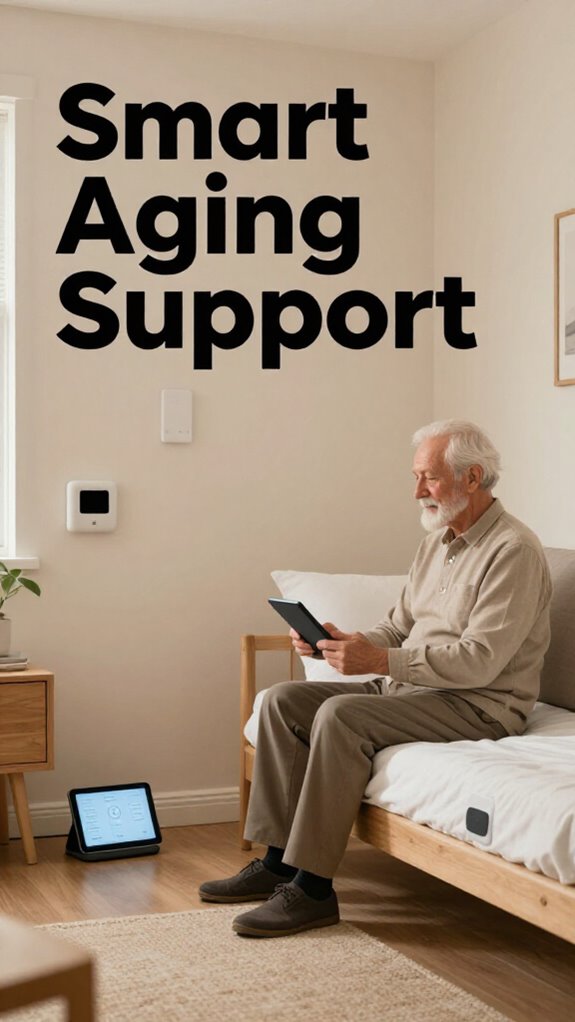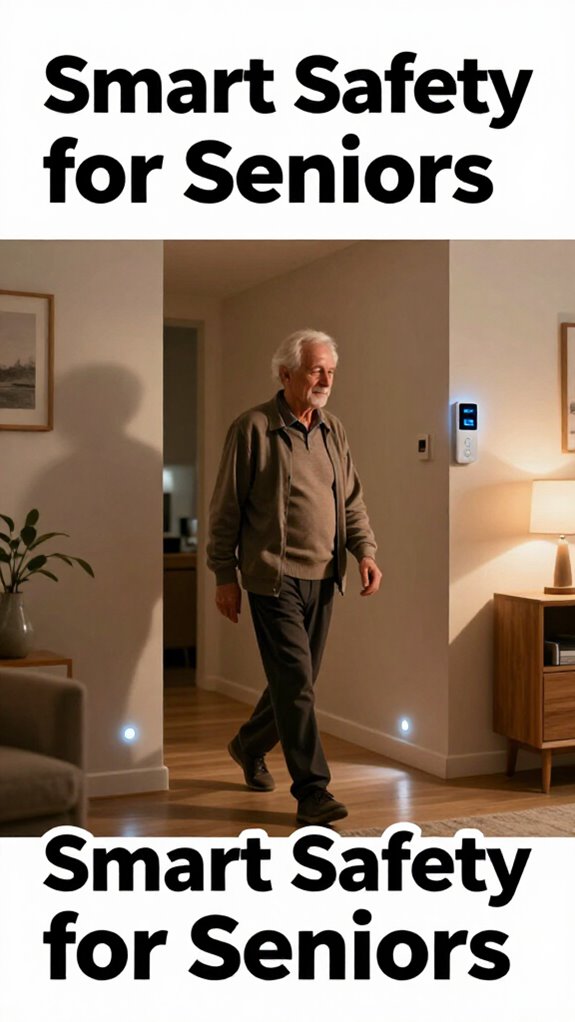

Making Dad’s Space Work Smarter, Not Harder
My dad turned 79 last March, and I realized his independence matters more than ever.
I’m sharing this on SilverSoma because aging-in-place solutions saved our family real stress. Voice-activated systems, ambient lighting, and geolocation wearables transformed Dad’s routine. No medical sterility—just thoughtful tech respecting his autonomy and dignity.
Last Thursday, Dad’s fall-detection pendant caught him stumbling near the kitchen. The alert reached me instantly. He stayed independent that day because prevention worked, not restriction.
Quick Takeaways
- Utilize clear, categorized sections for cognitive health, environmental support, and safety technologies to enhance understanding.
- Incorporate visual aids, icons, and concise summaries to improve accessibility and quick information retrieval.
- Implement digital dashboards to monitor and organize health, safety, and cognitive engagement data effectively.
- Use straightforward language and avoid technical jargon for easy comprehension by seniors and caregivers.
- Integrate interactive tools and cues to guide users through routines, safety features, and cognitive activities seamlessly.
Understanding How Memory Works in Seniors
Ever wonder what’s really going on inside your dad’s mind as he ages? Well, his brain isn’t just slowing down; it’s still learning, adapting—thanks to neural plasticity. Think of it like those old office files you’re trying to declutter. The more connections, or synapses, you strengthen, the sharper his memory becomes. neural plasticity is the brain’s remarkable ability to rewire itself, even in later years.
But here’s the kicker: aging can weaken synaptic strength, making it harder to form new memories or recall details. That’s why modernizing his space with smart, invisible tech isn’t just about safety—it’s about fostering resilience.
When you optimize those neural pathways with engaging, supportive environments, you’re fundamentally rewiring his brain for independence. No more hand-holding; just clever tech doing the heavy lifting—like a modern boss, but steering clear of bureaucratic dead ends.
Common Memory Challenges Seniors Face and Why They Happen
You’ve outfitted your dad’s place with the latest invisible health sensors, smart fall predictors, and all that sleek longevity architecture—pretty much the high-tech version of turning his home into a fortress of independence. But even with all these tools, memory challenges still pop up. Why?
High-tech home upgrades boost safety, but strengthening memory needs mental exercises and dignity-focused strategies.
Here’s the rundown:
- Neuroplasticity declines—his brain just isn’t as flexible, making new pathways tougher to create.
- Busy routines and routines—which can dull the mind more than you’d think. Engaging in cognitive exercises can help counteract this decline.
- Lack of mental stimulation—which is where mnemonic devices can boost recall.
- Stress and fatigue—both of which block those precious circuits from firing.
- Incorporating adjustable plant stands can enhance the environment, promoting relaxation and mental well-being—aesthetic versatility helps make the space more engaging and calming.
The trick? Incorporate neuroplasticity exercises and keep his mind sharp—remember, mastery isn’t just tech, it’s about empowerment and dignity!
Simple Strategies to Help Seniors Maintain Memory
Keeping your dad’s memory sharp doesn’t have to be some grand, complicated project—especially with modern tools and a little everyday intentionality.
You can incorporate simple, fun memory exercises and cognitive games into his daily routine. Think of it like upgrading from those dull office spreadsheets to high-impact, targeted brain workouts.
Use apps designed for senior brain health or even old-school puzzles—crosswords, Sudoku, or card games—that challenge him without feeling like a chore. Engaging in these activities can also provide opportunities for social interaction, which is beneficial for cognitive well-being.
Keep it fresh—change the game or routine to keep those neural pathways firing.
Recall, the goal isn’t just remembering facts but preserving dignity and autonomy.
Effective association techniques can help strengthen memory by linking new information to familiar concepts, making recall easier and more meaningful. Additionally, understanding how brain health functions can help tailor activities that best support cognitive vitality.
Neuro-Fitness Techniques to Boost Daily Memory
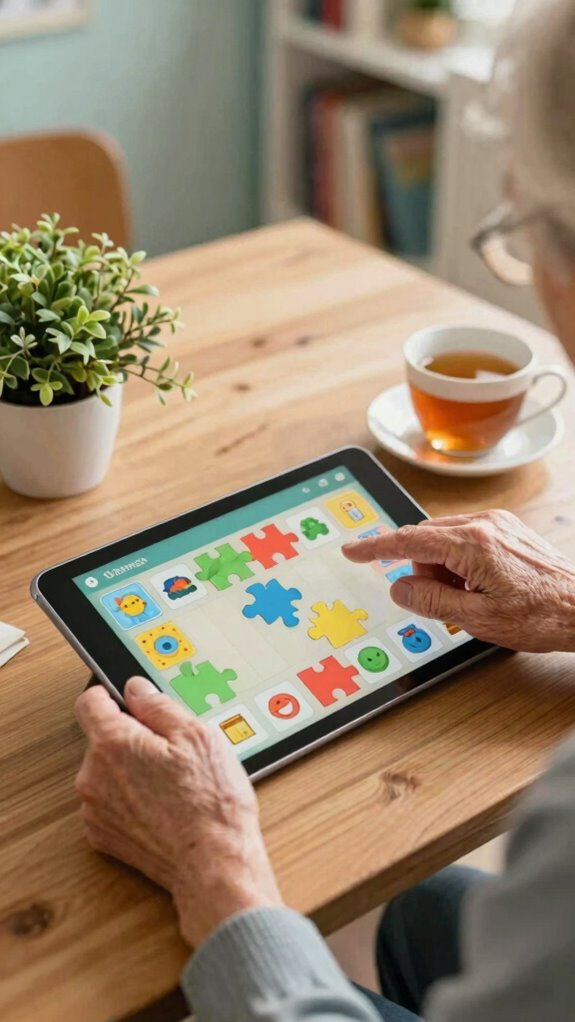
Have you ever wondered if there’s a way to give your dad’s brain a daily workout that actually sticks? Well, neuro-fitness techniques are your new best friend. Here’s the scoop:
- Incorporate mindfulness exercises — quick meditations that improve clarity and calm, helping him stay sharp amidst everyday chaos.
- Do targeted brain training games — think puzzles and memory apps that challenge his recall and focus, keeping cognitive decline at bay.
- Encourage routine novelty — spice up familiar tasks, like cooking or reading, to activate new neural pathways.
- Practice dedicated mental workouts daily — short, focused sessions that balance pressure and reward, fostering mastery and independence.
- Additionally, understanding public transit navigation can help seniors maintain independence and engage actively in their communities.
Technology Tools That Support Cognitive Health
Even after decades steering the fast-paced corporate world, you realize that the real game-changer is tech that actually works for your dad, not against him. Enter cognitive support tools like neuroplasticity exercises—think puzzles, memory drills, or even brain games built into smart devices. Incorporate better senior call lighting to ensure clear, well-lit video calls, reducing visual strain and helping him stay engaged. Pair those with brainwave entrainment, which uses audio cues to optimize mental states, like focus or relaxation. These tools aren’t just gimmicks—they’re modern solutions that foster independence and mental agility. Furthermore, integrating interoperable cameras and doorbells can enhance safety and connectivity by providing seamless monitoring and communication options. No more outdated flash cards or endless lectures; instead, you’re leveraging tech that adapts to his pace. Want to upgrade his home? Install voice-responsive interfaces and smart platforms that suggest personalized exercises. Why settle for reactive when proactive becomes the new standard? It’s about dignity, control, and keeping the mind sharp on her own terms.
Tracking Memory Improvements and Adjusting Your Approach
If there’s one thing I learned from my years sprinting through endless corporate meetings, it’s that you gotta track progress to truly make a difference—no shortcuts, just real data.
When it comes to boosting your dad’s memory retrieval and strengthening his cognitive resilience, you need a game plan.
- Use smart memory apps that log daily recall exercises, spotting trends and gaps.
- Keep a visual journal of what he remembers, noting shifts or fades in detail.
- Incorporate ambient biometrics, like heart rate variability, to gauge emotional engagement during mental tasks.
- Regularly review these observations to tweak routines—making tweaks feels like strategy meetings, but for aging in place.
- Leveraging effective digital tools can help streamline these tracking efforts, providing more accurate insights and enabling timely adjustments.
- Choosing top tiered storage bins can help organize physical materials like journals, memory aids, or prompts, making review sessions more efficient.
Forget old-school guesswork—tech-driven understanding makes independence not just a dream, but a masterstroke.
Advanced Cognitive Support Systems

Stepping into the future of senior care, you realize that traditional guardrails—alarms after a fall, constant watchfulness—just don’t cut it anymore.
That’s where advanced cognitive support systems come in, fueled by neuroscience breakthroughs and cutting-edge cognitive architecture. Instead of relying on reactive measures, you’re investing in AI-driven systems that anticipate cognitive dips before they even happen, giving your dad back his independence.
AI-powered cognitive support predicts declines early, restoring independence with respectful, proactive care.
These systems analyze micro-behaviors, speech patterns, and decision-making cues—kind of like your past days managing projects but now with a much cooler tech twist. Incorporating predictive safety technology further enhances the system’s ability to support cognition proactively and prevent issues before they arise.
It’s about preserving dignity, not turning him into a patient. Modern safety now means smart, predictive oversight that respects autonomy, minimizes frustration, and keeps his mind sharp — all while you sleep better at night, knowing he’s supported without feeling taped or caged.
By integrating remote management tips for senior guest access, caregivers can seamlessly oversee safety without being intrusive, ensuring a respectful balance between oversight and independence.
Memory-Boosting Digital Supplements
After maneuvering enough high-stakes meetings and tight deadlines in the corporate world, you realize that waiting for a fall or a forgetful moment to happen before reacting is basically trading safety for shock therapy.
To boost memory recall and harness brain plasticity, digital supplements are game-changers.
Here’s what you need to know:
- Smart Nootropic Apps – These tailor cognitive exercises that challenge memory, keeping it sharp and adaptable.
- Interactive Brain Games – Designed to strengthen neural pathways and promote plasticity, they’re basically mental gym sessions.
- Personalized Digital Reminders – Help your dad stay organized and reinforce routines, preventing small forgetfulness from snowballing. Using biometric feedback tools can further optimize these routines based on real-time brain data.
- Biometric Feedback Tools – These adapt cognitive training based on real-time brain data, making mastery accessible and natural.
Utilizing brain plasticity with these tools can enhance the brain’s ability to recover from cognitive decline and improve overall mental agility.
Smart Home Innovations
Ever wonder if your dad’s home could be smarter—and safer—without turning it into some kind of high-tech fortress? Enter smart home innovations that respect dignity while boosting independence.
Smart home tech enhances safety and independence while respecting dignity and comfort.
You can set up virtual reality systems to gently engage him in mentally stimulating activities, helping keep his mind sharp and alert. Brainwave analysis tools can monitor his focus or relaxation levels, alerting you to stress or confusion before a crisis—no more guesswork.
These devices blend seamlessly with his space—no bulky gadgets, just intuitive, invisible support. Envision transforming his routine into a moment of mastery—not a reminder he’s aging.
You get better peace of mind, he retains full autonomy, and the house becomes a cooperative partner—not a prison. Truly, this is senior care leveling up.
FAQ
How Do Ambient Biometrics Enhance Safety Without Feeling Invasive?
Ambient biometrics enhance safety by seamlessly monitoring essential signs, addressing privacy concerns with sophisticated, invisible technology, and maintaining technological simplicity. You get unobtrusive, real-time understanding that help prevent issues without compromising your loved one’s sense of independence.
Can Predictive Guardrails Truly Prevent Falls Before They Happen?
Predictive analytics enhance fall prevention by analyzing gait, environment, and behavioral data, allowing your smart home to forecast risks early. This proactive approach helps you prevent falls before they happen with high accuracy.
What Role Does Circadian Lighting Play in Cognitive and Physical Health?
Circadian lighting acts as a conductor, orchestrating your circadian rhythms with precision. Light therapy rewires your biological clock, enhancing cognitive clarity and physical vigor, transforming your home into a sanctuary where natural harmony boosts your mastery over aging.
How Accessible Are Somatic Wellness Tools for Everyday Use at Home?
You can easily master somatic wellness tools at home by creating personalized routines that incorporate sensory integration, such as massage chairs or red light therapy panels, empowering you to maintain mobility and manage pain independently.
How Does Digital Legacy Technology Ensure Privacy and Security?
Digital legacy technology guarantees your privacy and security through robust data encryption and multi-factor user authentication, empowering you to confidently manage and preserve your digital history, knowing your personal information remains protected and accessible only to authorized individuals.
Summary
Think of this modern setup as your dad’s personal command center—smooth, silent, and always on point. Just like in the boardroom, you’re steering this ship with less firefighting and more foresight. No more chasing lost keys or playing tech support for a confused mind. Instead, you’re creating a fortress of dignity and independence, where every device whispers reassurance and keeps your dad confident—and you, assured. This isn’t just aging; it’s a strategic upgrade.