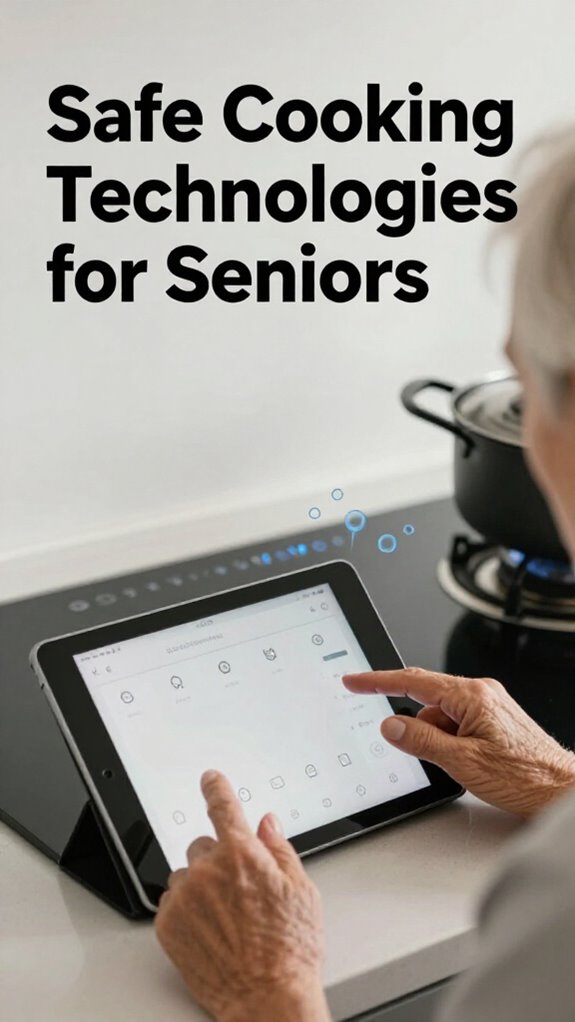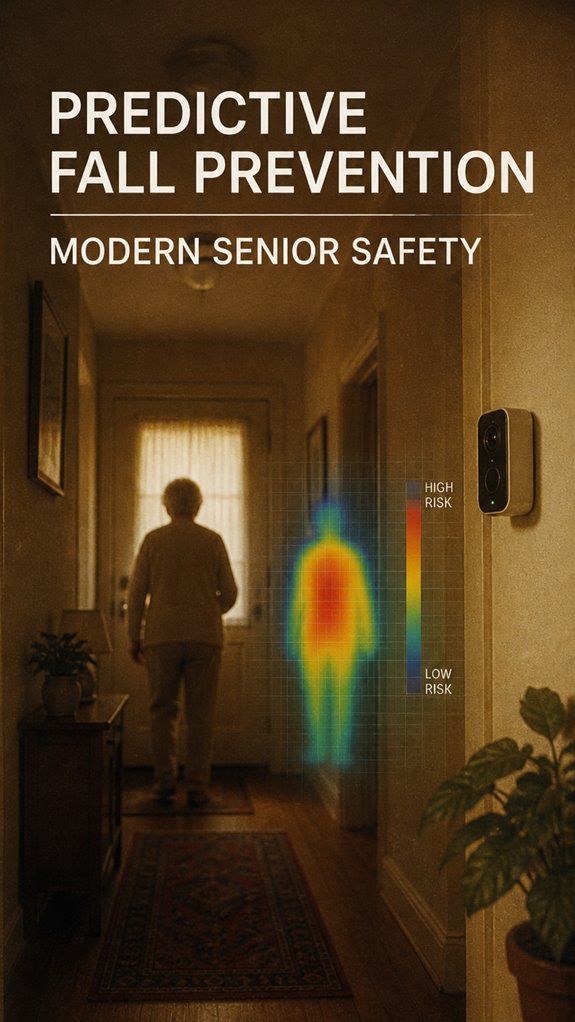
Modernizing Safety: How I’m Protecting Dad’s Independence
My 79-year-old father deserves better than outdated safety measures that feel invasive. I’m writing to SilverSoma because this matters—real solutions exist for aging-in-place dignity. AI fall detection. Geofencing alerts. Smart medication dispensers. These aren’t surveillance; they’re guardians. Dad keeps his autonomy while I sleep soundly knowing he’s protected.
Last March, Dad fell in his bathroom on Maple Street. That moment changed everything. Now, motion sensors alert me instantly. His Apple Watch tracks heart rhythms. No more guessing. No more guilt. Just love expressed through thoughtful technology that respects his space.
Quick Takeaways
- Outdated safety protocols and environmental hazards like clutter and poor lighting increase fall risks.
- Limited use of proactive, AI-driven safety systems can lead to delayed response to incidents.
- Privacy concerns may hinder adoption of effective monitoring tools, risking resident dignity.
- Lack of sensor integration and calibration reduces the accuracy of fall detection and safety monitoring.
- Reliance on reactive rather than preventive safety measures leaves residents vulnerable to falls and injuries.
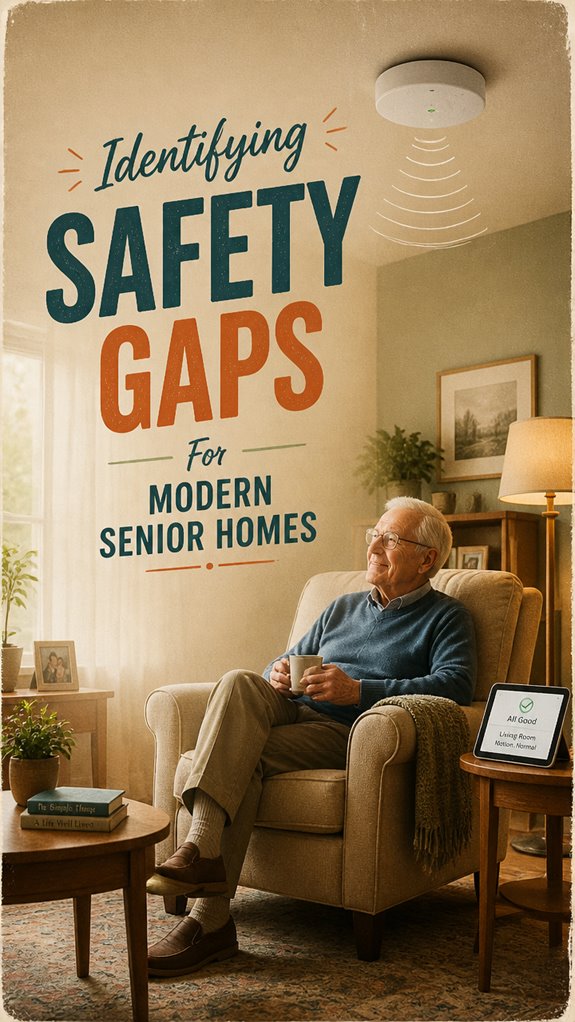
Key Fall Risks and Safety Gaps in Senior Homes
If you’ve ever wondered why seniors still seem so vulnerable despite all our best intentions, it’s because the old safety playbook is seriously out of date. Environmental hazards—slippery floors, clutter, poor lighting—still lurk in every corner.
And staff training? Let’s just say many caregivers are still stuck in “react and respond,” not “prevent and empower” mode.
You want independence, dignity, not to be treated like a patient, right? So, you need smarter, proactive safety solutions that recognize hazards before they cause falls.
It’s time to nix outdated scripts, upgrade to real modern safety, and finally give your dad the freedom he deserves.
How AI Detects Falls and Prevents Silent Incidents
Modern AI fall detection is a game-changer because it works behind the scenes—like your top-flight colleague, but way more discreet.
You’re finally out of that boring, reaction-based office world where waiting for disasters was the norm. These fall detection algorithms spot slips instantly, preventing silent incidents before they escalate. Reducing senior stress can be achieved effectively with these proactive measures, ensuring peace of mind for families and caregivers alike.
But yeah, ethical considerations matter—no spying or privacy breaches here. You get peace of mind, knowing AI prioritizes dignity and independence, while proactively catching risks.
It’s like giving your dad’s home a smart guardian angel—one that’s efficient, ethical, and keeps him free from the trap of reactive care. Voilà, safety’s new power move. And by utilizing low noise devices, you can ensure safety measures remain unobtrusive and respectful of everyone’s quiet space.
Privacy and HIPAA Compliance for AI Fall Detection Systems
Recall those days in the office, chasing down reports, chasing deadlines, and praying your boss would respect your privacy? Sounds familiar, right?
Well, now you’re flipping the script, making your dad’s home a high-tech sanctuary that keeps his independence front and center.
But here’s the kicker: privacy safeguards and HIPAA compliance aren’t just corporate buzzwords—they’re your liberation tools. You want safety without invasion, dignity without compromise.
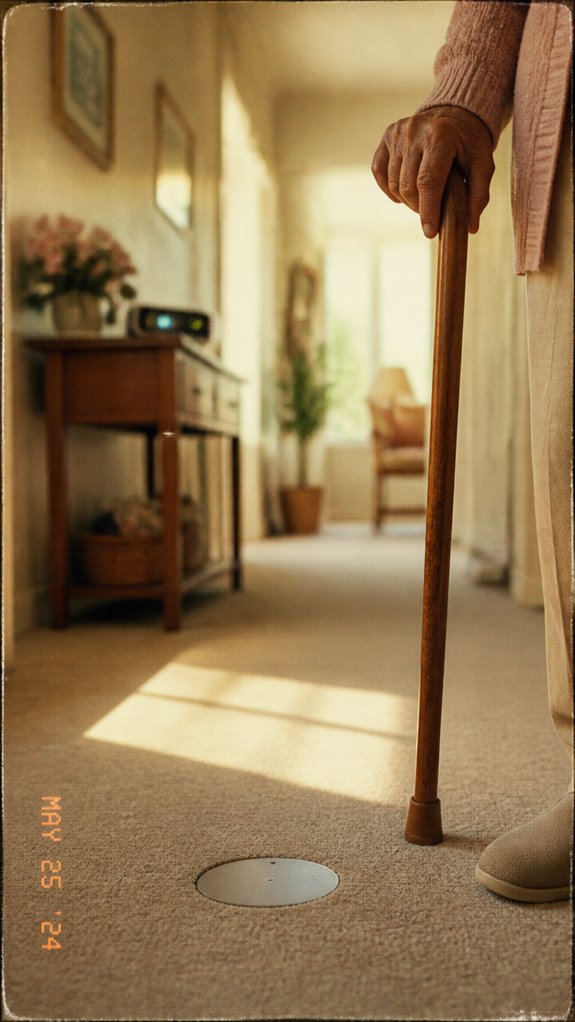
Modern AI fall detection systems are designed to be HIPAA compliant by default, masking identities and only flagging real risks. It’s all about blending advanced tech with respect, so your dad’s freedom stays intact, not compromised. Incorporating top floor pressure sensors can further enhance safety monitoring discreetly and accurately, providing an extra layer of discreet safety measures.
That’s real caregiving revolution.
How to Choose the Best AI Fall Prevention Tools for Your Facility
Stepping into AI fall prevention tools can feel like deciphering corporate memos—buzzwords, specs, chaos.
As someone balancing tech savvy and respecting your dad’s independence, you want simple, effective solutions.
Focus on sensor integration—think discreet bed and motion sensors that blend into daily life—and staff training, so your team responds like a well-oiled machine, not a confused bunch.
Choose tools that boost dignity and autonomy without turning the home into a high-security bunker. Skip the fluff, go for intuitive tech that understands movement patterns and alerts only when needed. Incorporating top heated knee wraps can also add comfort and relief for seniors, supporting their overall well-being.
When selecting these tools, look for systems that incorporate smart sensor technology and provide real-time feedback, ensuring proactive safety measures without being intrusive.
Sensor Calibration Ensures Accuracy
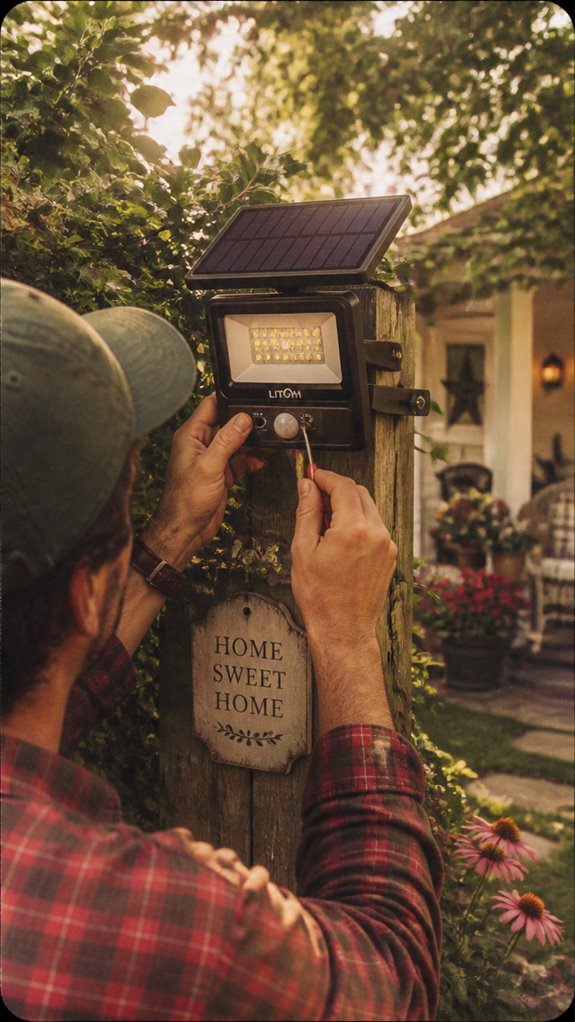
If you think setting up high-tech safety gadgets is just plug-and-play—especially about sensor calibration—think again—especially about sensor calibration. Your sensors can suffer from sensor drift, making them unreliable if you don’t calibrate regularly. To ensure maximum effectiveness, consider implementing solar-powered floodlights that leverage reliable motion sensors. Calibration frequency is your secret weapon for accuracy and peace of mind, preventing false alarms or missed falls. Think of it as giving your dad’s safety tech a wake-up call, ensuring it stays sharp and true. Additionally, maintaining proper sensor maintenance can extend the lifespan and reliability of your safety equipment.
Don’t let neglect turn modern solutions into old-school frustrations. Schedule routine calibration, keep sensors at their best, and empower your dad’s independence—freeing him from unnecessary restrictions, all while you finally breathe easier.
Sensor Calibration Ensures Accuracy
Now, envision the same frustration coming from your dad’s safety tech. That’s where sensor calibration comes in. It’s the secret to device accuracy, making sure all those smart sensors detect falls or hazards precisely, not just guessing. Regularly checking sensor alignment enhances safety and accuracy.
- Regularly check sensor alignment
- Update firmware and calibration settings
- Keep sensors free of dust and obstructions
- Run routine system diagnostics
- Trust that precise calibration upholds his dignity and independence
Incorporating sensor calibration best practices helps ensure the technology remains reliable and safe over time. Proper calibration also helps prevent false alarms or missed detections, which is crucial for maintaining trust in the system.
This isn’t about more gadgets; it’s about smarter tech that empowers, not frustrates.
Radar Health Sensors
Ever feel like traditional senior safety tools are stuck in the Stone Age—reactive, clunky, and full of false alarms? Meet radar health sensors, the sleek game-changer. They need minimal sensor maintenance while keeping false alarms at bay, giving your dad the freedom he craves.
These sensors provide real-time intel on movement, posture, and environmental risks—no more invasive cameras or constant checking-ins. They also support monitoring senior vitals without wearables, offering a non-intrusive way to keep tabs on health. Plus, they’re designed to integrate seamlessly into day-to-day living. Robust spinal support features help improve comfort and maintain proper alignment, which is vital for seniors’ overall well-being. No fuss, no paranoia, just smarter safety that respects dignity.
After years in the corporate grind, I get it—cutting-edge tech should empower, not complicate. It’s about reclaiming independence, pure and simple.
FAQ
How Cost-Effective Are AI Fall Detection Systems for Senior Care Facilities?
AI fall detection systems are cost-effective, fostering senior empowerment and seamless technology integration. They reduce costly injuries, minimize staffing pressures, and enhance independence—giving residents liberation while ensuring safety, making these systems a smart investment for modern senior care.
What Training Is Required for Staff to Effectively Use AI Safety Systems?
A word to the wise: staff training on AI safety systems essentials empowers you to uphold safety protocols confidently, fostering resident independence. You learn system functions, response procedures, privacy policies, and troubleshooting, opening care’s full potential and enhancing resident freedom and dignity.
How Do AI Systems Adapt to Different Facility Layouts and Resident Needs?
AI systems adapt to your facility’s layout and resident needs through personalization strategies and environmental adaptability, allowing seamless integration, tailored safety protocols, and flexible responses that empower staff and residents with greater freedom and confidence.
Can AI Prevention Systems Detect Other Health Issues Beyond Falls?
AI prevention systems enhance health monitoring, detecting irregular essential signs and sleep patterns, enabling swift emergency response. This empowers residents with greater independence, knowing help is present without feeling confined or constantly watched, fostering a liberated, secure environment.
What Is the Maintenance and Update Process for Ai-Powered Safety Equipment?
Think of maintenance as tending a garden; you’ll regularly update AI safety equipment, ensuring data privacy stays secure and system integration remains seamless, freeing you from worries while AI continues to support your residents’ safety effortlessly.
References
- https://www.nytimes.com/2025/10/29/realestate/in-senior-homes-ai-technology-is-sensing-falls-before-they-happen.html
- https://intellisee.com/industries/senior-living/
- https://buildseniorliving.com/blog/emerging-technologies-in-senior-living-ai-smart-homes-and-the-future-of-care/
- https://leadingage.org/wp-content/uploads/2023/03/Case-Study_NHG-Increasing-Safety-Through-Vision-AI-System.pdf
- https://www.heritage-communities.com/blog/how-ai-is-redefining-fall-prevention-in-memory-care-what-families-need-to-know/
- https://www.maplewoodseniorliving.com/blog/how-ai-and-smart-technology-are-transforming-fall-prevention-in-senior-living-/
- https://www.mcknightsseniorliving.com/home/columns/marketplace-columns/how-to-use-ai-to-design-safer-senior-living-communities/
- https://www.youtube.com/watch?v=5YRHd_rh9Ns
- https://cs.stanford.edu/people/asaxena/papers/senior-living-communities-made-safer-by-ai.pdf
- https://www.youtube.com/watch?v=g5WFkNEfGuc