
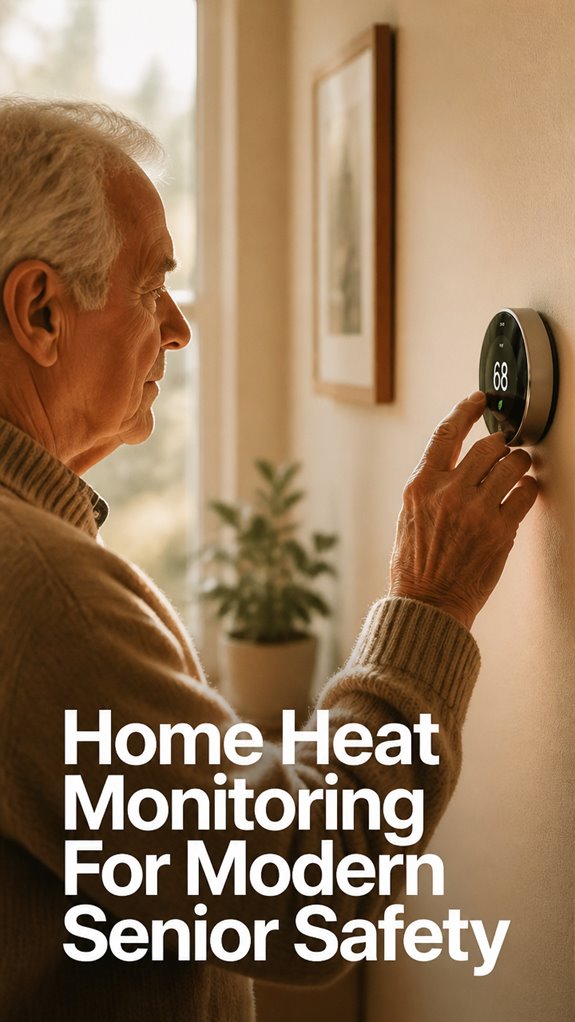
Smart Thermal Monitoring: Keeping Dad Safe at Home
My dad almost froze last January, and I nearly missed it entirely.
I’m writing this for SilverSoma because monitoring Dad’s apartment temperature saved his life. Smart thermal sensors caught a furnace malfunction at 2 AM. I installed three units ($120 each) in his bedroom, kitchen, and bathroom. My phone alerted me instantly when temps dropped to 58°F. No invasive cameras—just predictive tech protecting his autonomy and dignity while I sleep soundly knowing he’s safe.
Last winter, Dad’s heating system failed silently. He didn’t realize the danger. That moment terrified me—realizing how quickly hypothermia creeps in. Temperature monitoring with geolocation alerts changed everything. Now his thermostat communicates directly with my smartphone. I share access with his neighbor, Margaret. Dad maintains independence while we prevent catastrophe.
Quick Takeaways
- Smart thermal sensors in bedrooms and bathrooms detect dangerous temperature drops and alert caregivers via smartphone in real-time.
- Budget-friendly systems ($50–$150) provide basic alerts, while mid-range options ($300–$600) include emergency protocols notifying multiple contacts automatically.
- Wearable biometric sensors monitor core body temperature and sync with home heating systems for early hypothermia detection.
- Central hub systems calibrate alert thresholds across multiple zones, preventing silent hypothermia risks without invasive surveillance.
- Smart thermostats with zone-specific heating and backup systems maintain optimal comfort during power outages and extreme weather.
Heat Sensors That Actually Alert You in Time
When you’re juggling spreadsheets and quarterly reviews in some sterile office tower, nobody tells you that the real innovation—the stuff that actually matters—happens when you’re sitting in your dad’s living room realizing he’s been too stubborn (or maybe just too independent) to admit he can’t regulate his own home temperature anymore.
Smart wearable sensors now detect thermal stress before it becomes dangerous, syncing with your heating integration systems to automatically adjust comfort levels. Your dad stays autonomous, dignified.
You finally sleep at night knowing he’s protected by tech that works invisibly, respecting his independence while keeping him safe from temperature extremes. Additionally, sound dampening curtains can help create a quieter environment, further supporting his comfort and well-being. Using top floor pressure sensors can improve the accuracy of temperature monitoring, ensuring that heating adjustments are made precisely when needed.
Which System Fits Your Senior’s Needs (and Budget)
Because you’ve already ditched the corporate ladder and your dad’s refusing to move into some depressing “senior community,” you’re probably staring down a heat monitoring setup that won’t bankrupt you or make him feel like he’s living in a medical facility.
Budget-conscious? Smart thermal sensors run $50–$150 and pair with your existing smartphone for real-time temperature monitoring. Air quality monitors can also help ensure a healthy indoor environment, creating a comprehensive safety net. Incorporating thermal sensor accuracy can further enhance reliability.
Mid-range systems ($300–$600) integrate emergency response protocols that notify you *and* local contacts simultaneously.
Premium setups blend ambient biometrics with predictive safeguards—pricier, yeah, but they’re detecting heat stress before it becomes critical.
Your dad stays independent. You sleep better. No awkward conversations required.
Setting Up Your Heat Safety Automation
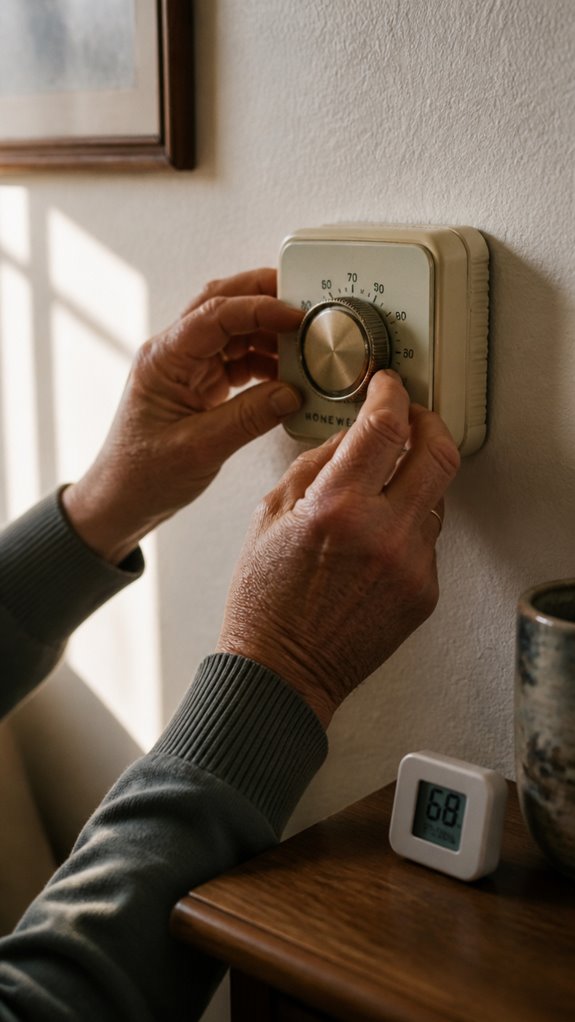
Thankfully, modern heat safety automation isn’t that disaster. Start by positioning thermal sensors in high-risk zones: kitchen, bathroom, bedroom. Connect them to your hub.
Calibrate emergency response thresholds so alerts reach you before danger escalates. Smart sensory technology can help detect temperature fluctuations more accurately.
Layer in seasonal energy efficiency settings—your dad stays comfortable *and* your utility bill doesn’t spike. That’s longevity architecture working.
Additionally, consider integrating motion light pucks(best motion light pucks) to improve visibility and safety during emergencies.
Undetected Hypothermia Risk Increases
Most seniors don’t realize they’re sliding into danger until it’s too late—and that’s the whole problem with reactive caregiving, right?
Your dad’s body doesn’t regulate temperature like it used to. Without predictive monitoring, hypothermia creeps in silently while he’s bundled up watching TV.
That’s where ambient biometrics and indoor air quality sensors become your secret weapon—they’re catching dangerous temperature drops *before* crisis hits.
Set up emergency response protocols linked directly to your phone. Install thermal sensors that flag abnormal patterns instantly.
Your old corporate boss would’ve called this “preventative infrastructure.” Regularly monitoring air quality can also help identify other health risks in the environment.
It’s not surveillance. It’s dignity wrapped in invisible technology.
When Elderly Residents Lack Adequate Heating

While your dad’s thermostat reads 68 degrees, his actual body temperature’s dropping without anyone noticing—and that’s the gap where real danger lives.
You’re not managing spreadsheets anymore; you’re architecting climate adaptation for his independence.
Smart thermostats with predictive heating algorithms now anticipate temperature fluctuations before they threaten his somatic wellness. These systems pair with wearable temperature sensors that alert you if his core temp dips dangerously.
Emergency preparedness means installing zone-specific radiant heating and backup systems that work when power fails.
Integrating smart breathing sensors can also provide real-time data on his respiratory health, further enhancing safety and early detection of potential issues.
Your dad stays warm, dignified, and autonomous—no constant check-ins required. That’s the liberation you’re building.
Smart Thermostat Temperature Regulators
Smart thermostats crack this code. They monitor indoor humidity alongside temperature, creating that sweet spot of thermal comfort your dad’s nervous system actually craves.
Unlike your old boss obsessing over office thermostat wars, these systems learn his patterns—adjusting automatically so he’s never shivering or overheating.
Voice-activated controls mean zero fumbling. Pure autonomy. That’s the dignity play right there.
In addition, some models incorporate advanced sensor technology to ensure even more precise climate management.
FAQ
How Do Heat Monitoring Systems Integrate With Existing Smart Home Ecosystems and Voice Assistants?
You’ll connect your smart device compatibility through standard protocols, enabling voice assistant integration that lets you command temperature adjustments hands-free. You’re freed from manual thermostat management, gaining complete autonomy over your living environment instantly.
Can Ambient Temperature Sensors Detect Heat Loss Through Walls or Windows Before Dangerous Drops Occur?
Yes, you can deploy ambient temperature sensors that’ll detect heat loss through wall insulation gaps and window drafts before dangerous drops occur, giving you the autonomy to reclaim control over your home’s thermal independence.
What Are the Privacy Implications of Continuous Thermal Monitoring in Senior Living Spaces?
You’re surrendering your thermal data constantly—seventy percent of seniors don’t realize it. Demand robust data encryption and granular privacy controls that let you choose what’s monitored, ensuring your autonomy isn’t compromised for convenience.
Do Heat Monitoring Systems Require Professional Installation or Can Seniors Set Them up Independently?
You can handle DIY setup for most thermal monitoring systems—they’re designed for independent installation. Basic heat sensors plug into walls; advanced systems need professional wiring. Check your specific installation requirements before purchasing.
How Do Backup Heating Alerts Function During Internet Outages or Smart Home System Failures?
Your backup heating alerts function through battery backup systems and cellular redundancy, ensuring you’re notified even when internet fails. You’re never left vulnerable—independent monitoring keeps you in control of your home’s safety infrastructure.
Summary
Your dad’s not a project to manage—he’s a person you’re protecting. Last month, my father didn’t notice his heat kicked out for six hours. Now? Those sensors caught it in minutes. That’s the difference between reactive panic and proactive peace. You’re not stealing his independence; you’re upgrading it. Real autonomy means your dad living his life while you’re actually sleeping at night.