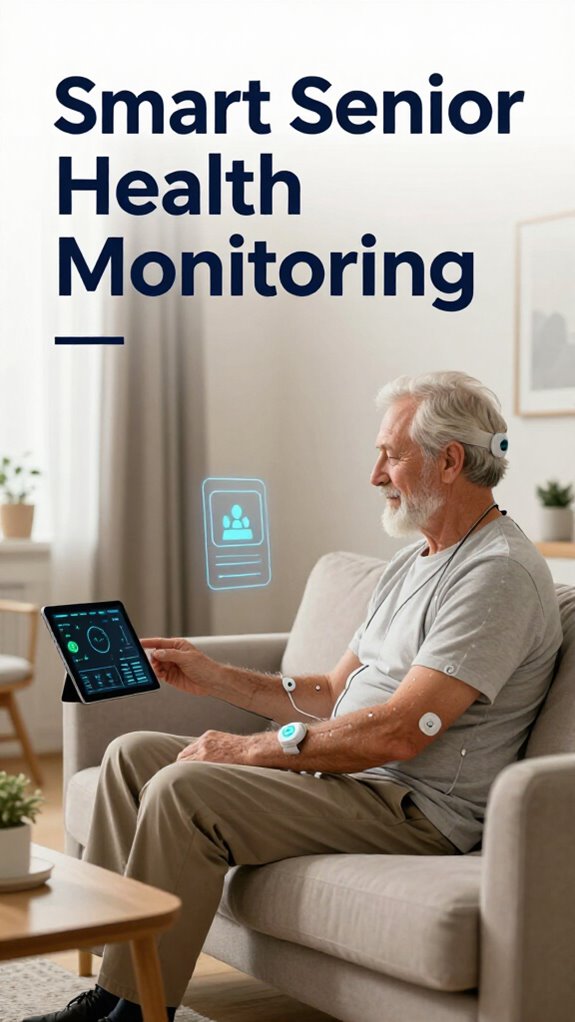
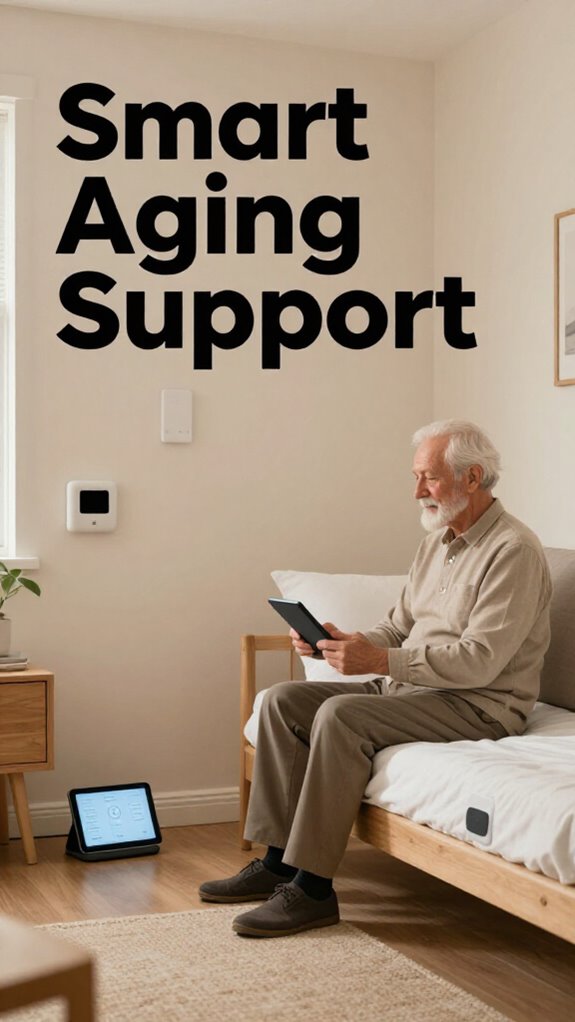
Dad’s Brain Boost: How Smart Tech Changed Everything at 79
My father turned 79 last March. I watched his memory slip—forgotten names, repeated stories. That’s when I discovered cognitive training systems designed specifically for aging minds.
I’m writing this to SilverSoma because modern seniors deserve better than condescending solutions. Dad needed real support—memory enhancement apps, gentle motion sensors, brain plasticity games. No lab-coat vibes. Just tech that respects his autonomy while keeping his mind sharp and his home secure.
Last Tuesday, Dad tackled a Lumosity puzzle for 15 minutes straight. He’d never engaged like that before. His eyes lit up. That moment—when technology finally met his needs—proved cognitive training isn’t about replacing independence. It’s about amplifying it.
Quick Takeaways
- Modern cognitive training systems focus on enhancing neural plasticity through engaging, evidence-based exercises tailored for seniors.
- These systems incorporate user-friendly apps and games designed to challenge memory, attention, and processing speed safely.
- Integration of unobtrusive sensors and smart home technologies promotes safety, independence, and real-time health monitoring.
- Personalization via data tracking and adaptive difficulty ensures activities promote mastery and cognitive resilience.
- Emphasis on seamless, non-intrusive solutions helps sustain mental engagement while respecting seniors’ dignity and autonomy.
Why Cognitive Training Matters for Seniors
Honestly, if you look at the way old office cubicles and endless meetings worked, you realize that the real secret to keeping anyone sharp isn’t just about fixing broken bones or patching up egos—it’s about keeping the mind engaged and resilient. That’s where cognitive training really shines. Incorporating brain training games can provide structured mental challenges that enhance specific cognitive skills, keeping the mind supple and active. Additionally, utilizing smart door locks can contribute to a safer environment, reducing stress and allowing seniors to focus more on mental activities without concerns about security.
Keeping the mind engaged and resilient is the true key to staying sharp and thriving.
For your dad, it’s about boosting memory recall so he doesn’t feel lost in familiar spaces or conversations. It’s also about emotional resilience—helping him handle the frustration of changing abilities without losing his dignity.
Modern tech like brain games and targeted exercises can seamlessly integrate into his daily routine at home, keeping his mind sharp without making it feel clinical or invasive.
After all, isn’t being autonomous and proud worth a little effort? Let’s upgrade his mental game—because he deserves to thrive, not just survive.
What to Look for in Effective Brain-Boosting Games for Seniors
When you’re picking out brain-boosting games for your dad, you want more than just flashy graphics or a quick hit of fun—you’re after something that truly sharpens his mind and respects his independence. Think of these games as tools to boost memory recall and attention span, like a mental gym that sidesteps the old “puzzle for the sake of puzzles” trap.
Focus on platforms that challenge him just enough—no burnout or frustration, please—while maintaining dignity. Can he navigate without feeling overwhelmed? Will it make mental agility feel empowering, not infantilizing?
Skip the generic apps; seek those designed with senior mastery in mind. These smart games should seamlessly blend into his daily routine, helping him feel capable, confident, and in control—just like in those boardrooms he once owned. Incorporating reflex training balls can be an effective way to boost reaction skills and improve overall cognitive agility, which is essential for maintaining independence.
Being mindful of senior-friendly design and good lighting can enhance engagement and reduce eye strain during gameplay.
How Technology Enhances Cognitive Flexibility and Brain Health
If you’re like me, you recall the days when office meetings meant frantic multitasking, last-minute deadlines, and bosses who didn’t always believe in giving you a break—kind of like trying to keep your mind agile with outdated textbooks.
Now, envision upgrading Dad’s home with tech that facilitates neuroplasticity breakthroughs, boosting his brain’s ability to adapt and learn. These innovations aren’t just about safety; they’re about real mental fitness.
Brain-training apps with memory enhancement techniques stimulate cognitive flexibility, helping him stay sharp and independent. Tools like interactive cognitive games and personalized exercises can challenge his mind without feeling like homework.
In addition, light reaction trainers can further improve his processing speed, reflexes, and overall brain responsiveness. Why settle for outdated routines? Modern tech gives Dad the dignity and autonomy he deserves—keeping his mind agile, resilient, and, frankly, feeling a lot younger than his age.
By incorporating cognitive training systems, we can further enhance brain health and support sustained mental engagement for seniors.
Choosing the Best Cognitive Training Apps for Older Adults

Thinking about which cognitive training apps are genuinely worth your dad’s time can feel like steering through a maze full of gimmicks and outdated features. You’ve seen those “brain games” that promise everything but deliver little—mostly neuroplasticity myths. Instead, focus on apps that emphasize real memory retention strategies, helping him stay sharp without wasting hours on fluff.
Keep it simple: look for programs that challenge his brain without making him feel like he’s back in that endless cubicle maze. Opt for user-friendly interfaces, tailored difficulty levels, and features that promote Dignity and Autonomy. Incorporating evidence-based techniques that support neuroplasticity can make a real difference in maintaining cognitive health, especially when they leverage neuroplasticity principles scientifically proven to boost brain adaptability. Just as solar motion floodlights enhance safety and visibility around the home with efficient energy use, selecting apps grounded in solid research can really enhance cognitive resilience. Keep in mind that the goal isn’t just quick fixes but fostering a mindset of mastery—where his mind adapts and flourishes, even amidst the chaos of high-stress work environments from the past. That’s real aging tech done right.
How to Incorporate Brain Exercises Into Daily Routines
Incorporating brain exercises into your dad’s daily routine isn’t some boring add-on—it’s a powerful way to keep his mind sharp and his independence intact, all while making him feel like he’s calling the shots.
Think about blending mindfulness meditation—simple deep-breathing or focus routines—into his mornings or evenings. It’s like giving his brain a mental workout without the sweat.
Toss in dietary neuroenhancers, like omega-3s or blueberries, snuck into breakfast, and you’re fueling his cognitive tank.
Recall those endless, soul-crushing meetings with bosses who didn’t get personal space? Try activities that feel natural, not clinical—like puzzles, new recipes, or tech tricks that remind him he’s still in charge.
Why settle for reactive safety when proactive mastery keeps him thriving?
How to Track Progress and Adjust Your Cognitive Training Strategy
Tracking progress in your dad’s cognitive training isn’t just about ticking checklists or waiting for the next doctor’s visit; it’s about staying proactive, kind of like managing a high-stakes project. You wanna see real brain plasticity at work—that flexible, adaptable kind of neural plasticity that keeps his mind sharp.
So, use tech-savvy tools like cognitive apps that measure reaction times or memory recall over time. Don’t just rely on feel-good vibes—review data, notice patterns, tweak sessions. Are those brain workouts flattening out? Time to add complexity or change the focus.
Recall, his mind’s like a well-oiled corporate team that needs constant nurturing to beat stagnation. Keep it dynamic, keep it challenging, and celebrate every win—because this is mastery in motion. For precise monitoring, consider incorporating top floor pressure sensors to ensure your environment is optimal for focus and comfort. Additionally, understanding neural plasticity can help you tailor strategies that actively promote adaptive brain changes rather than passive repetition.
Sensor Overload Compromises Cognition

Sometimes, all those sensors buzzing around your dad’s home can do more harm than good—like that overpacked office meeting where nobody could focus because of too many interruptions. Sensor fatigue and cognitive overload can hit your dad hard, making him more confused or anxious instead of safer. Incorporating height adjustable desks can help create a flexible and comfortable environment that reduces unnecessary stress. Envision installing every smart gadget possible, only to have him overwhelmed by constant alerts and data streams. It’s like trying to manage a hundred projects and forgetting what really matters—his independence and dignity. Recognizing easy methods to monitor senior activity can help you find a balance between helpful oversight and sensory overload.
The trick is finding the perfect balance: clever sensors that support without intruding, and systems that filter out unnecessary noise. You want safety, sure, but not at the expense of his sense of calm. Keep it simple, smart, and respectful—let technology empower, not overwhelm.
Sensor Upgrades Enhance Memory Functions
Recall those chaotic meetings where everyone’s phone kept buzzing, and it was impossible to concentrate? Now, envision upgrading your dad’s home with sensor tech that boosts his memory retention by enhancing sensory integration.
Modern sensors, like smart soundscapes and subtle motion detectors, improve his environment, making it easier to stabilize and recall moments from his storied past.
Here’s what you can do:
- Install discreet, room-specific sound cues to reinforce familiar routines
- Use ambient lighting that syncs with his circadian clock to boost focus and mood
- Leverage motion-based memory triggers that respond to daily habits, reinforcing daily cues
Tech like these not only protect his independence but respect his dignity—no more clunky devices or one-size-fits-all alarms. It’s about smarter safety, tailored memory support, and a life truly on his terms.
Additionally, understanding how Thread mesh networks ensure sub-second latency enables invisible triggers to respond instantly, creating seamless and reliable sensory cues that support his daily routines without delay. Such low-latency protocols are essential for real-time adjustments and safety measures.
Invisible Health Monitoring Innovations
Ever wonder if there’s a smarter way to keep your dad safe without turning his home into a high-tech fortress of sensors? That’s where invisible health monitoring innovations come in.
By integrating sensors seamlessly into the architecture, you create a setup that feels less like a botched office attempt to track productivity and more like a natural part of the home. Think radar health sensors, contact-free respiratory devices, and smart wall systems—no bulky wearables filing complaints like old office gadgets. These under mattress sleep trackers exemplify how technology can unobtrusively gather vital health data.
This sensor integration sparks cognitive synergy, allowing the home to read your dad’s micro-movements and essential signs quietly in the background. It’s about respecting his independence, protecting his dignity, and leveraging the same high-tech mindset that once managed corporate chaos—just now, to support a peaceful, autonomous life. Employing reacher grabber tools for easy pickups further enhances his self-sufficiency and safety within the home environment.
FAQ
How Do Cognitive Training Systems Adapt to Individual Senior Needs?
You find that personalization technology tailors training programs by analyzing your cognitive strengths and weaknesses, adjusting the difficulty level in real-time to challenge you appropriately, fostering mastery, engagement, and continuous cognitive growth tailored specifically to your needs.
Can Cognitive Exercises Delay or Prevent Cognitive Decline Effectively?
Ironically, exercising your brain can harness brain plasticity and enhance memory, effectively delaying decline. You master these cognitive exercises, activating neural pathways, and bolstering resilience, proving you can stay sharp and prevent deterioration.
Are There Age-Specific Cognitive Training Programs for Different Senior Groups?
You should seek age-specific cognitive training programs that boost memory enhancement and support brain plasticity tailored to your stage, ensuring mastery over cognitive skills. Personalized exercises optimize results based on your unique cognitive needs.
How Secure Is Personal Data Stored Within Cognitive Training Apps?
You can trust that personal data in cognitive training apps is highly secure with robust data encryption and strict privacy policies. Always review privacy policies, guarantee encryption standards, and choose apps from reputable sources to maintain mastery over your data security.
What Are the Costs and Accessibility Considerations for Senior Cognitive Tech?
You should conduct a thorough cost analysis, considering the affordability of cognitive tech for seniors, and address technology barriers by ensuring user-friendly interfaces and accessible support, making mastery achievable within diverse financial and skill levels.
Summary
Bringing in these smart, silent health geniuses really flips the script—your dad stays sharp, independent, and proud, all without feeling like he’s under a microscope. No more fussing with clunky gadgets or Old School medical visits that drain everyone’s patience. Instead, you’re empowering him to be the boss of his brain, maintaining that spark of dignity. Honestly, this is the kind of teamwork that proves you really can teach an old dog new tricks—without the chaos of the past.